Industrial Design · Consumer Appliance · Futuring Design · 2018
ID Craft
A styling project delivered for Orient Electric, India — a mixer grinder designed to redefine an overlooked category by applying a modern design language to a product type that had prioritised function over form for decades. Full ID process from consumer research and teardown through ideation, CMF, and technical specification.
The Brief
A category that had stopped evolving
Indian mixer grinders had prioritised function over form for decades — visually dated forms, poor CMF, no tactile consideration. The brief: a contemporary global design language that elevated the brand without changing the engineering.
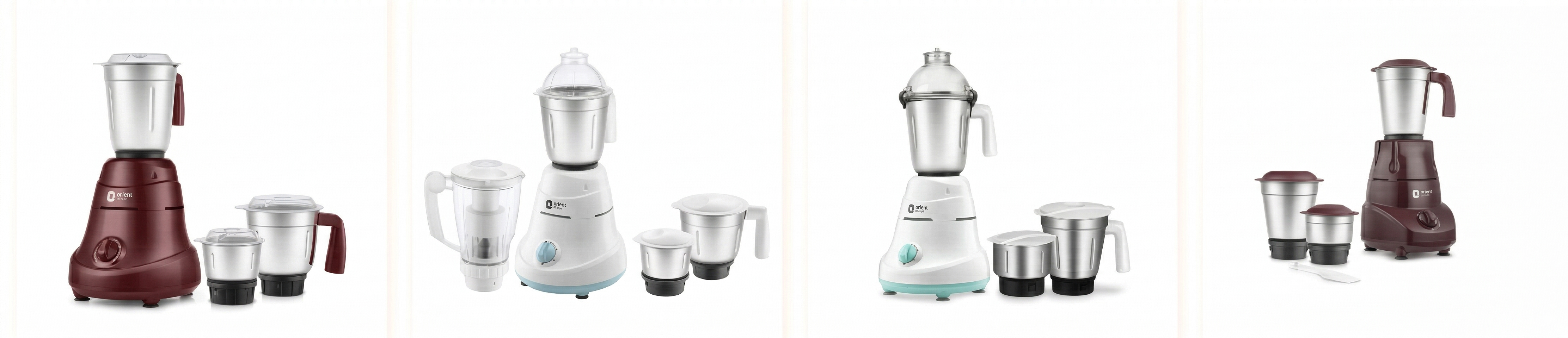
Orient Electric existing range
Research & Analysis
Focus Group & Teardown
Focus group across multiple brands. Three consistent pain points:
- Wire management — no storage solution on any brand tested. Counters cluttered after every use.
- Jar handling — lock-twist needed two hands. Jar height made it hard to engage the base securely.
- Control panels — multi-button layouts forced eyes off the jar to change speed. Felt unsafe.
Teardown of Orient's 750W unit confirmed the internal architecture had room for a redesigned external form without requiring an engineering overhaul.
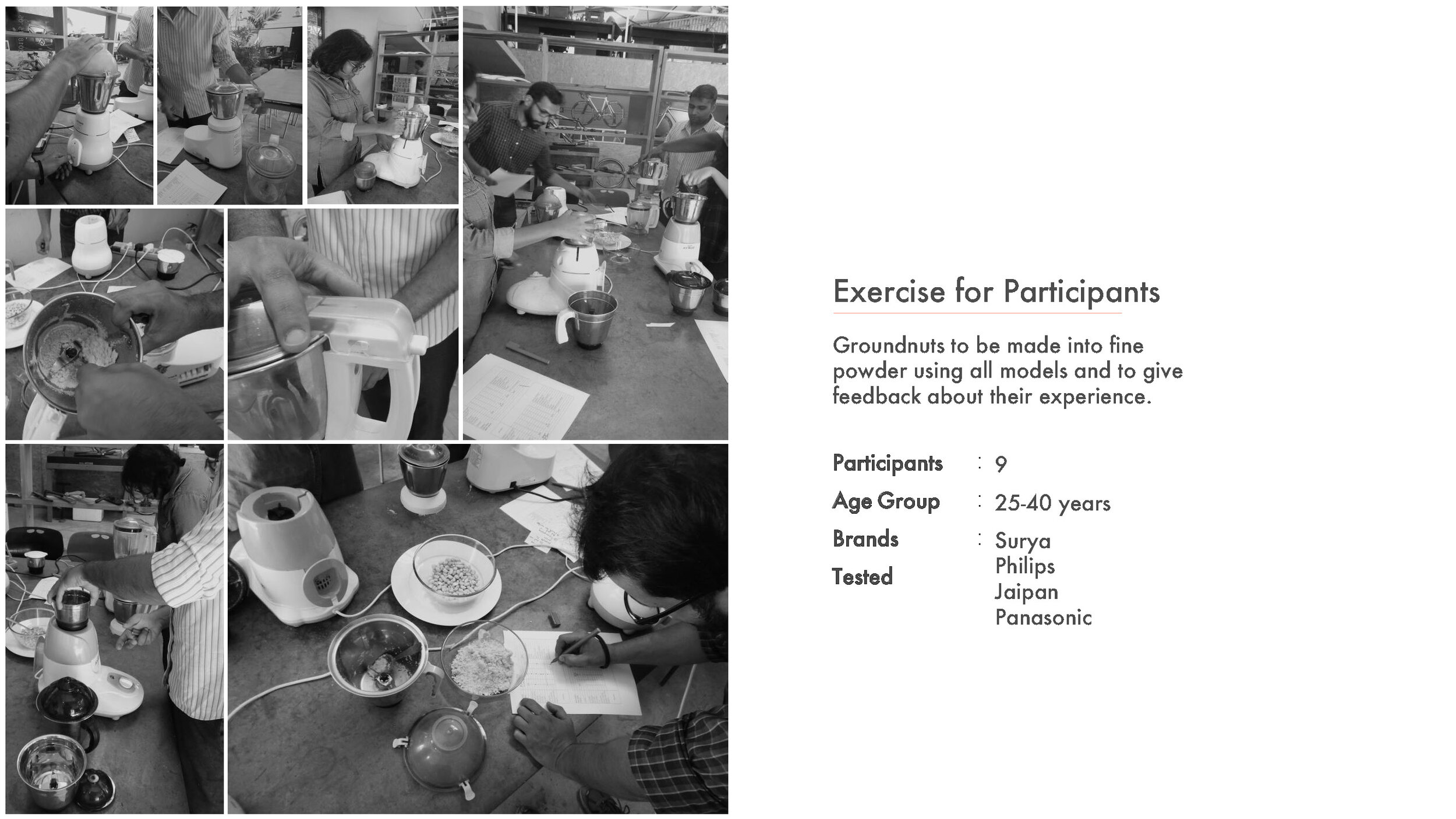
Focus group research — user ratings and usability remarks
Design Direction
Mood Board
Satin finishes, chrome accents, soft volumes. Global kitchen appliance references — premium without being cold.
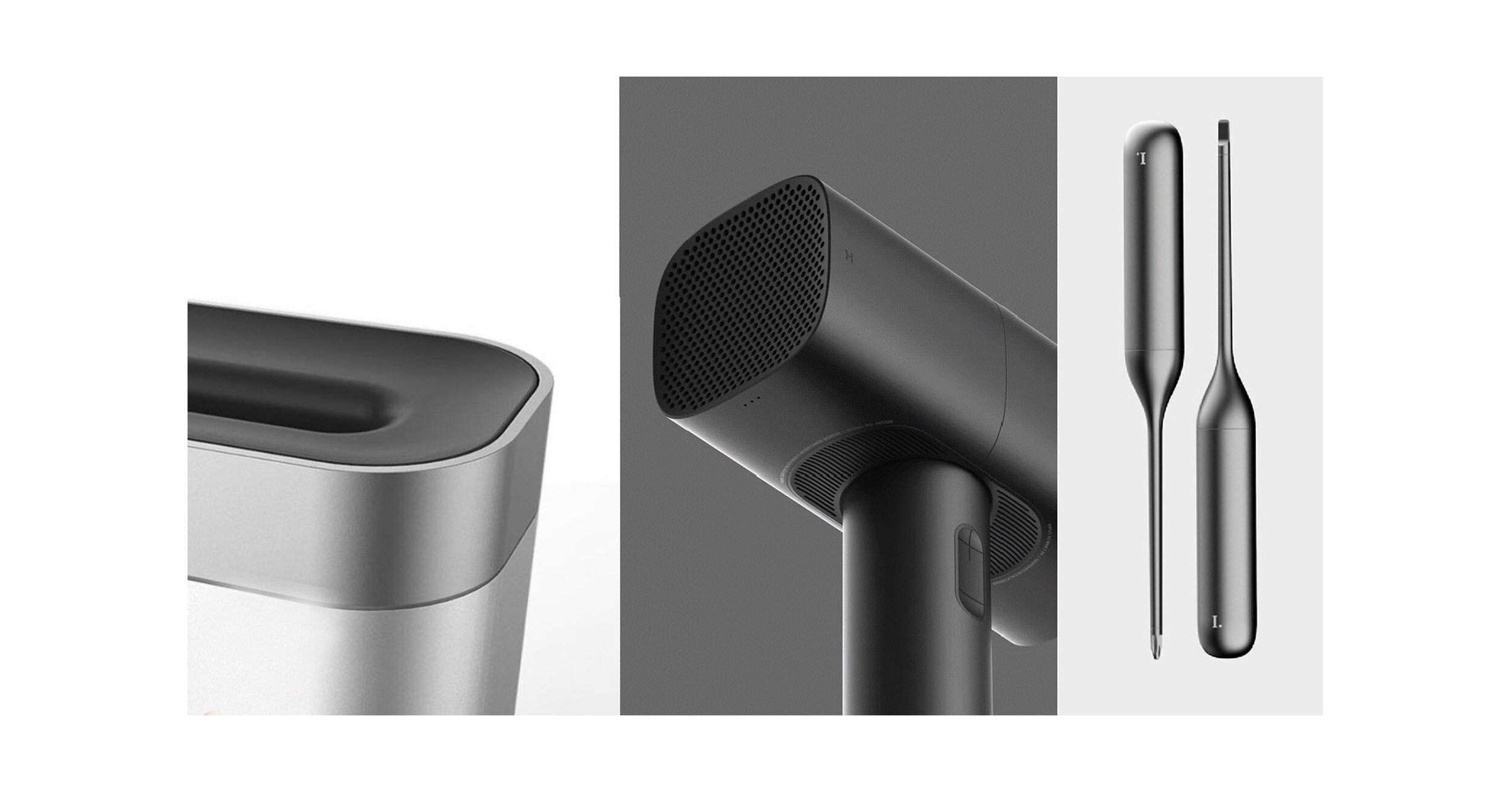
Mood board
Ideation
Ideas & Concepts
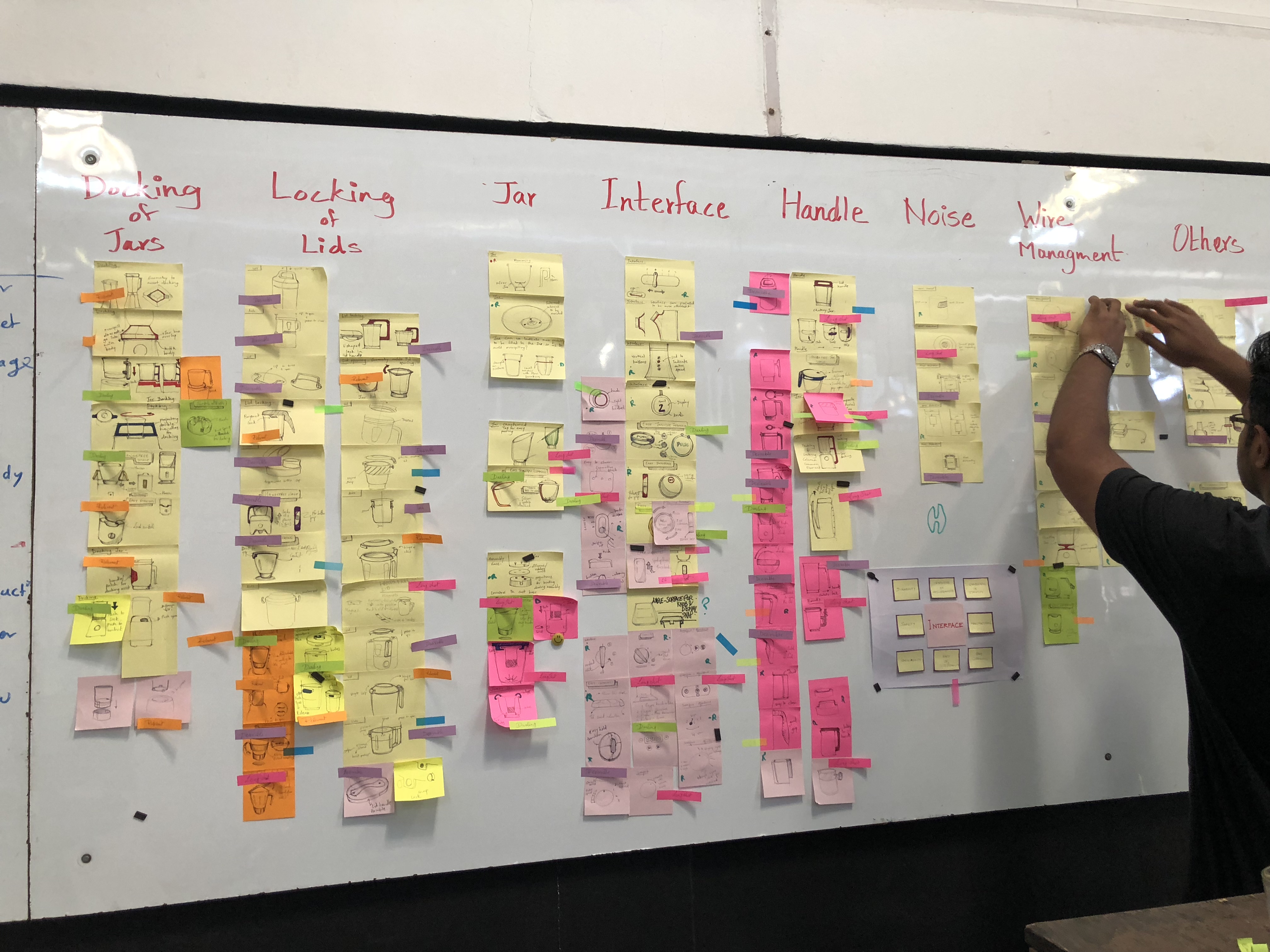
Exploration structured around four research themes — jars, cord management, docking, and interface. Angular forms were cut early; modular concepts were too complex for the manufacturing envelope.
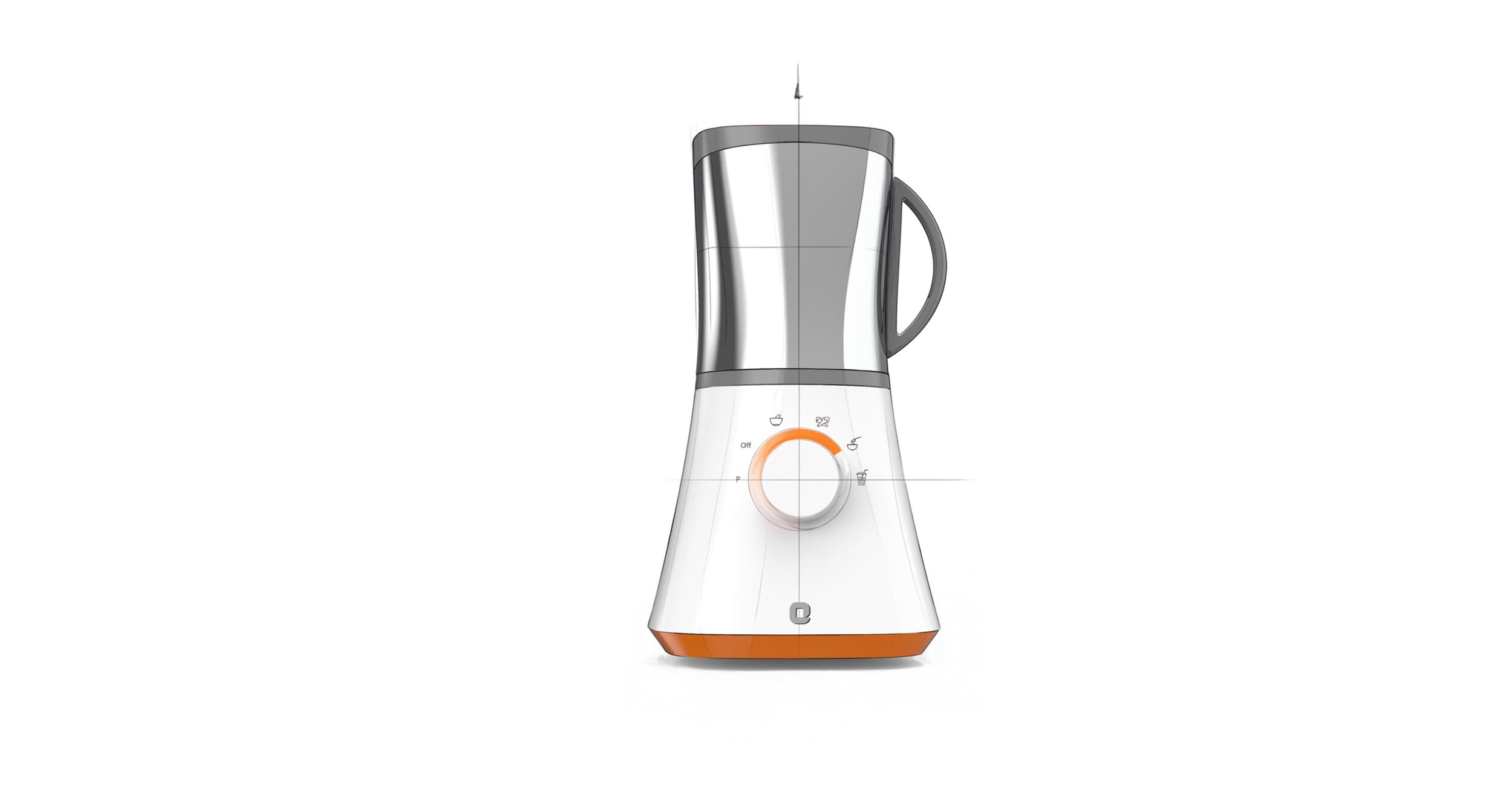
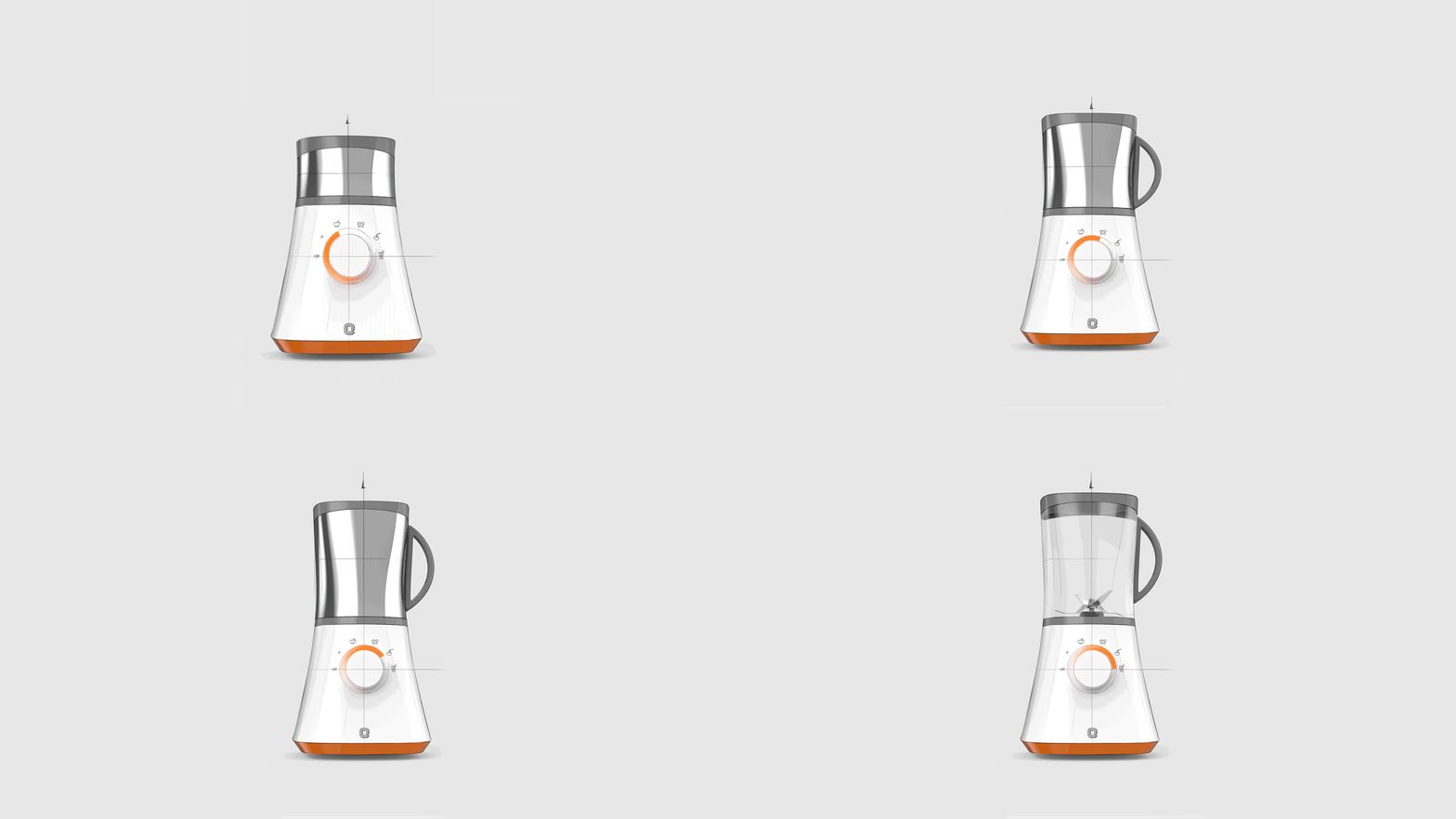
Most mixers have a hard break between base and jar — two product languages bolted together. The Curv silhouette unified them into a single flowing gesture, making the product read as a considered whole.
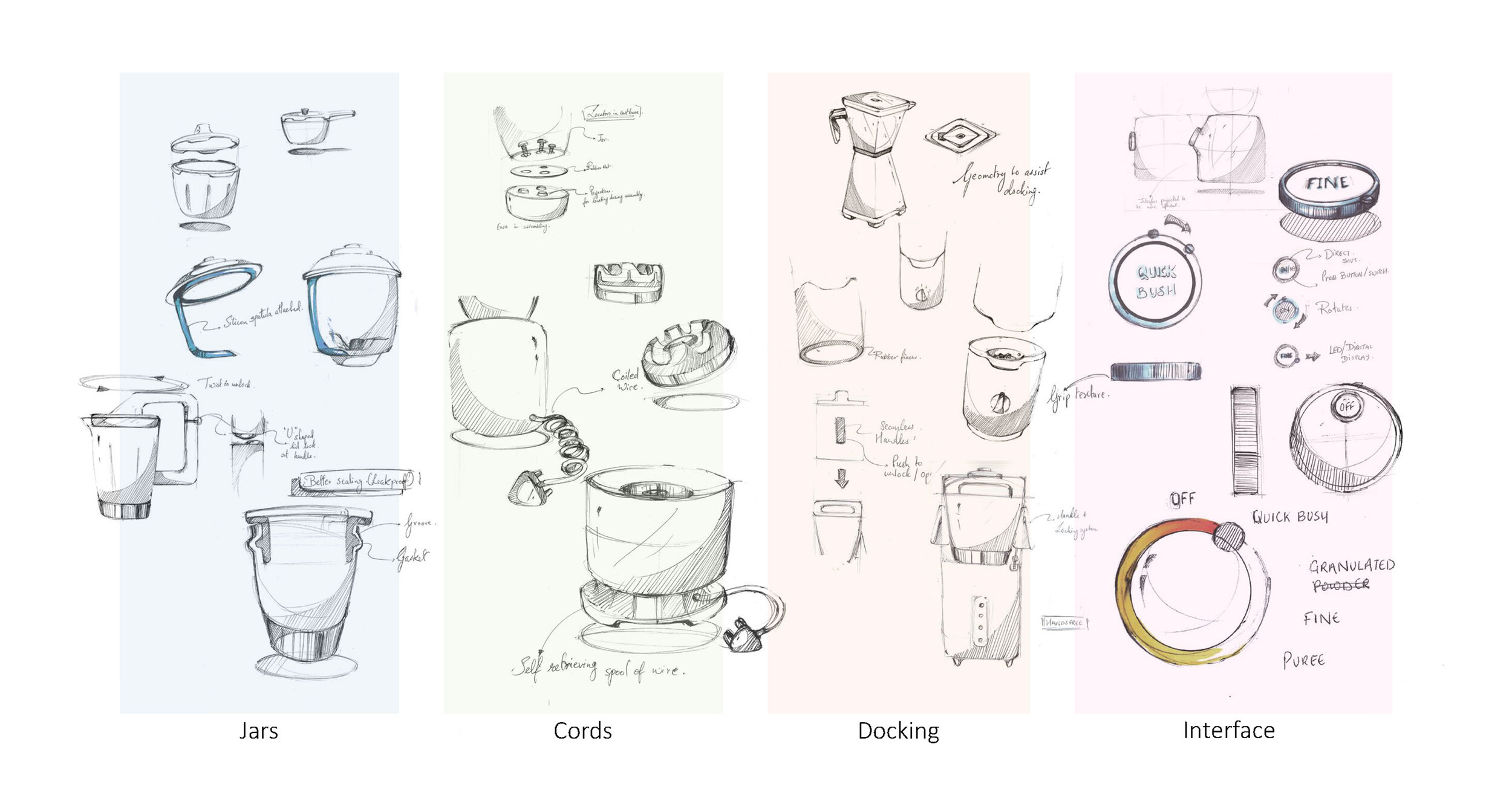
Concept explorations — Jars · Cords · Docking · Interface
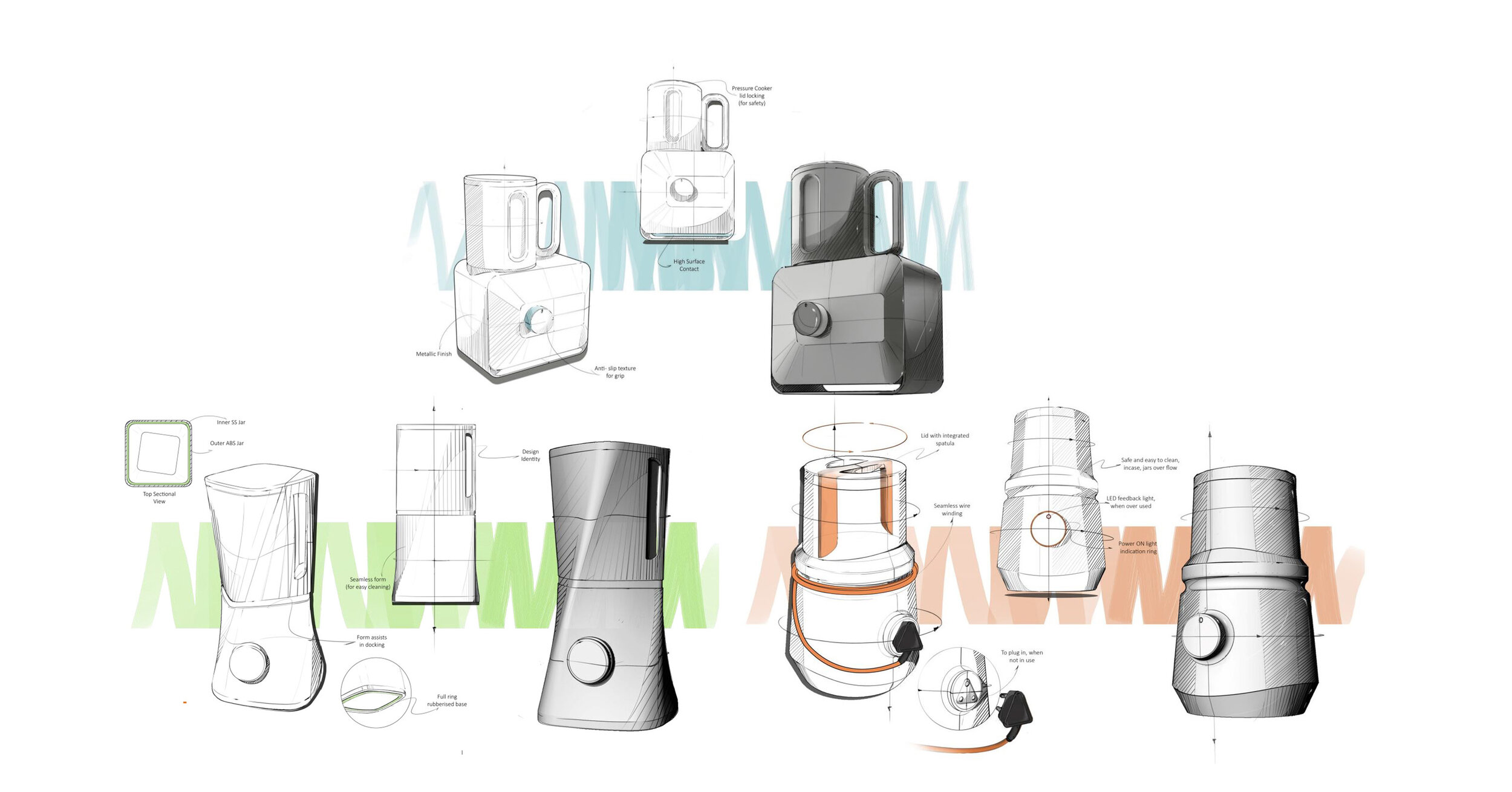
Concept directions
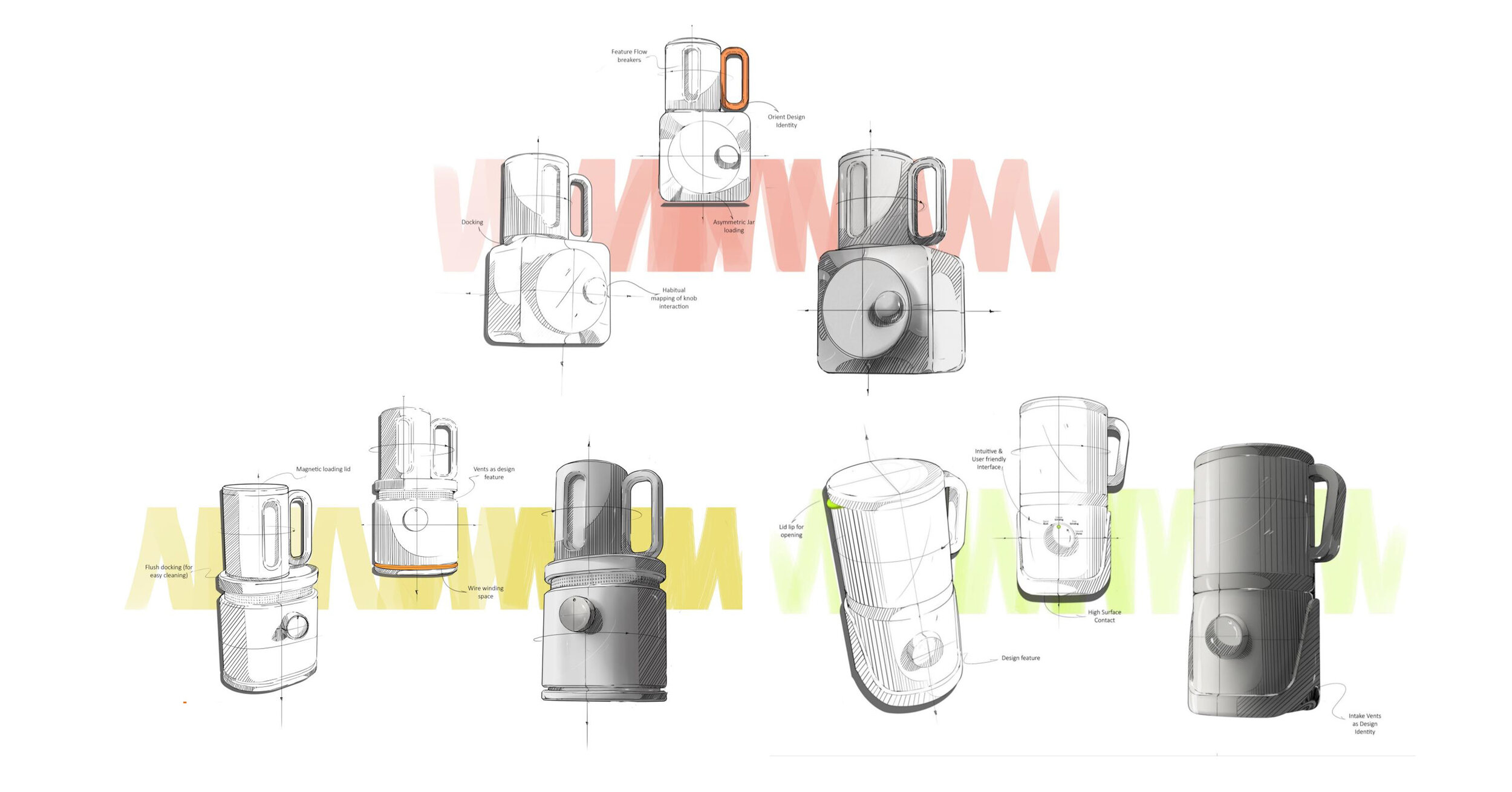
Further concept explorations
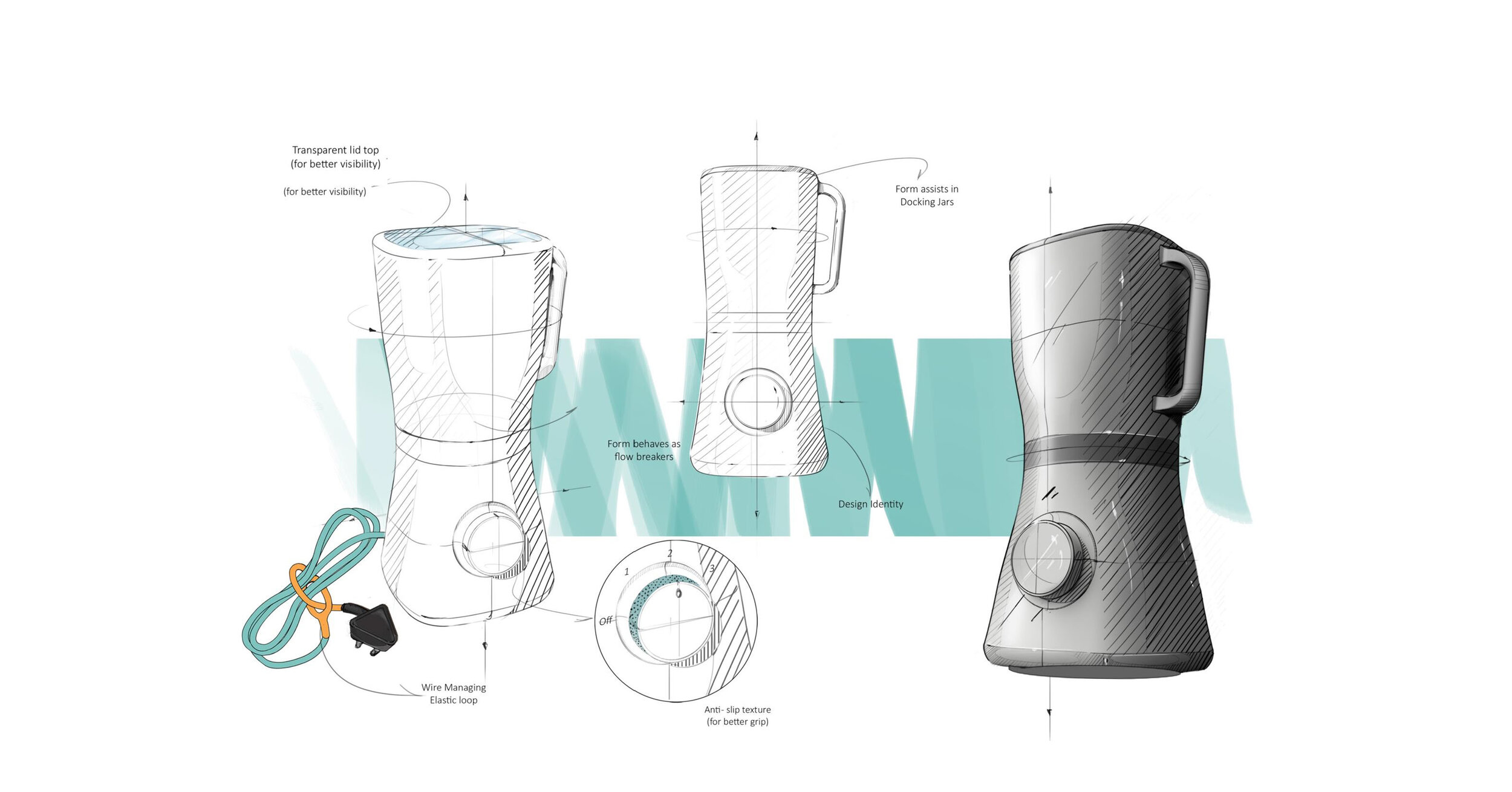
Final direction — Curv
Two directions presented — Curv and Flo. Orient's brand equity sat in approachability and ease of use. Flo read as unfamiliar to their mid-market buyer. Curv's continuous surface language felt premium without being alienating.
Final Design
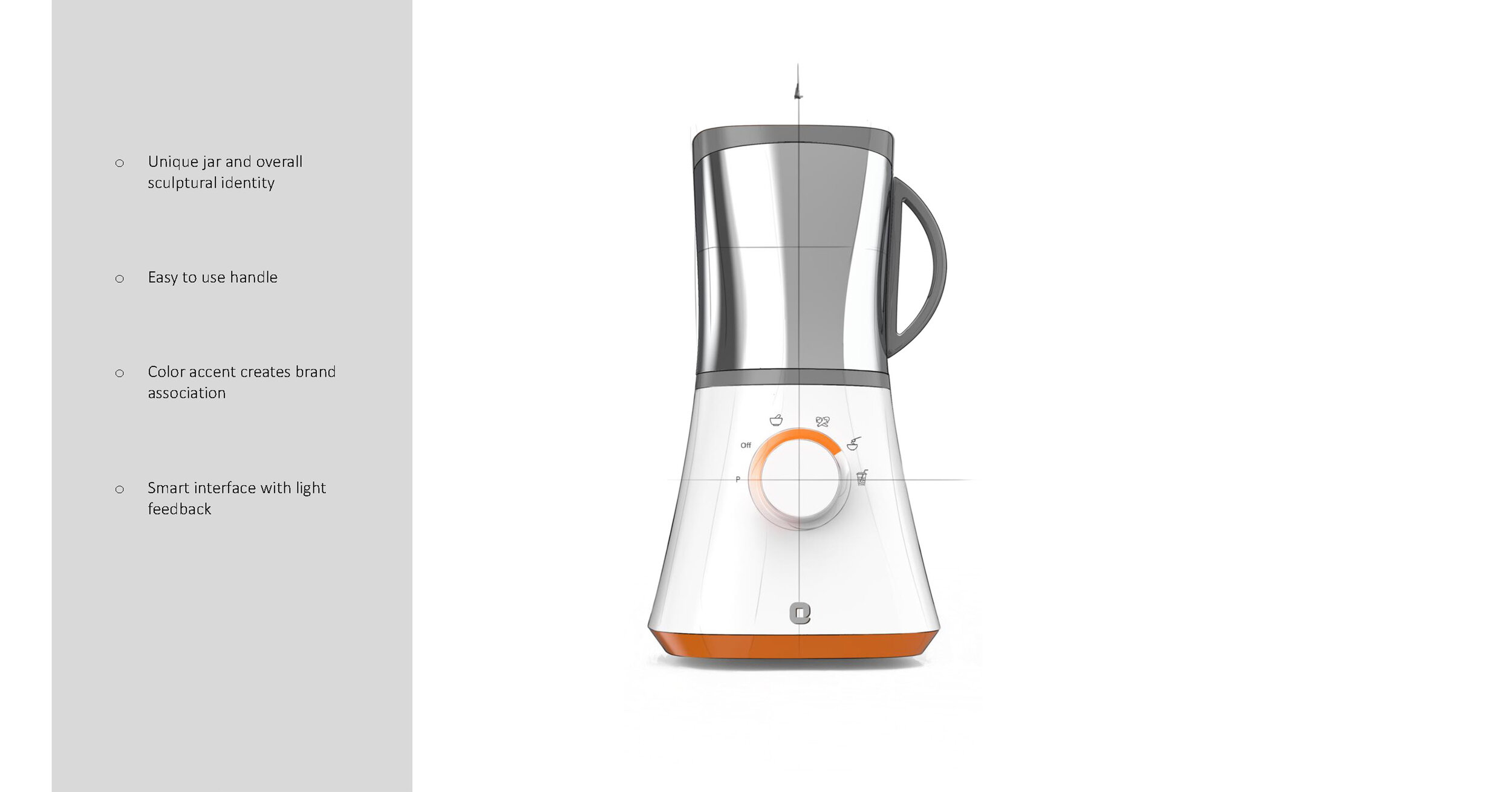
Curv — design decisions
- Jog dial — single rotary control for tactile speed selection; eliminates eyes-off-jar operation. Large diameter accommodates wet-hand grip torque.
- Elastomeric lid — overmoulded TPE for positive seal feedback and one-handed removal; addresses hard PP lid grip failure from research.
- Satin SS jars — brushed finish resists fingerprints and micro-scratches in daily use; reads premium without the maintenance of polished chrome.
- Retractable cord + base chamfer — integrated cord management eliminates counter clutter; underside chamfer creates a natural four-finger grip zone for lifting.
Physical model
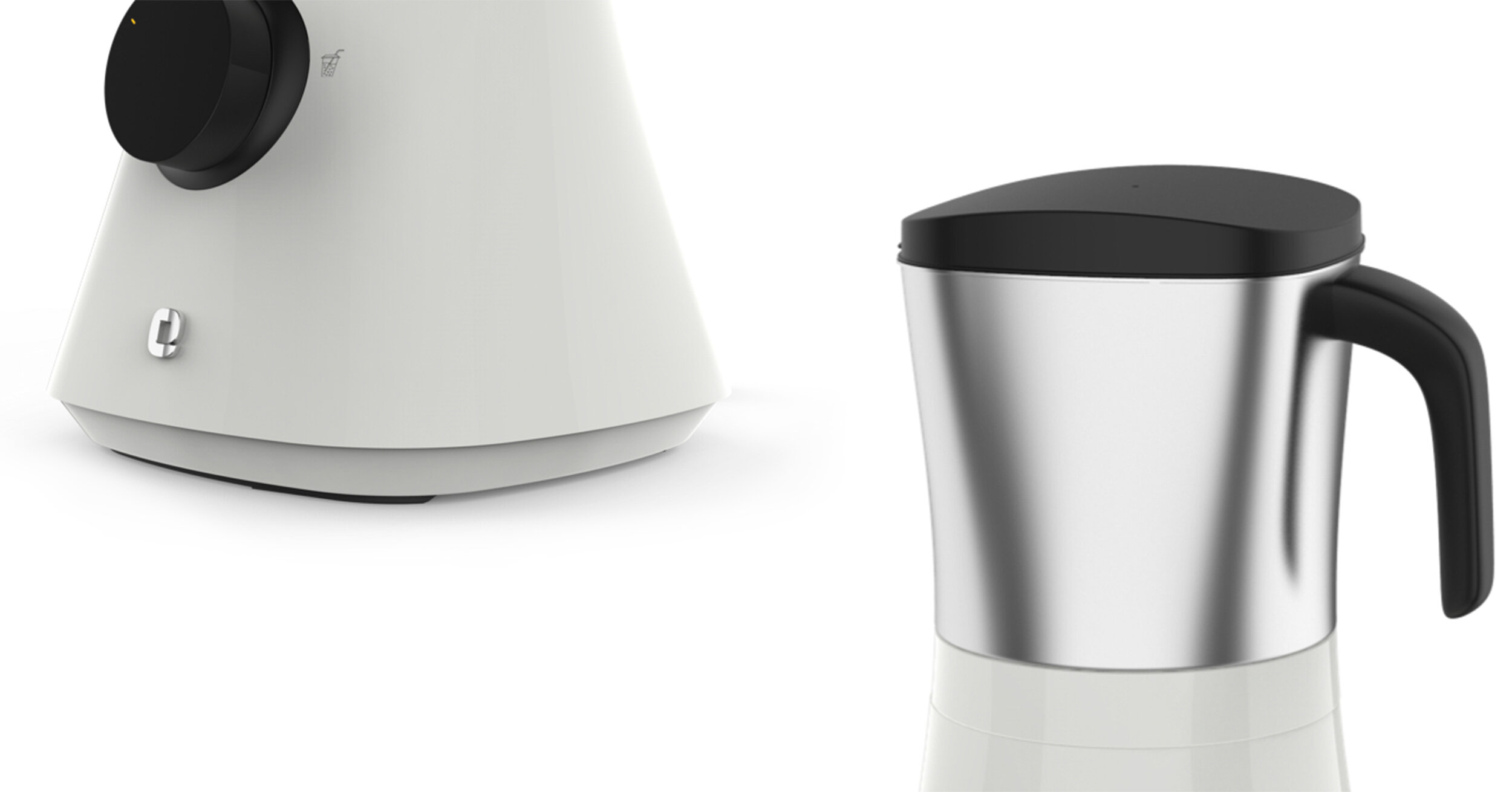
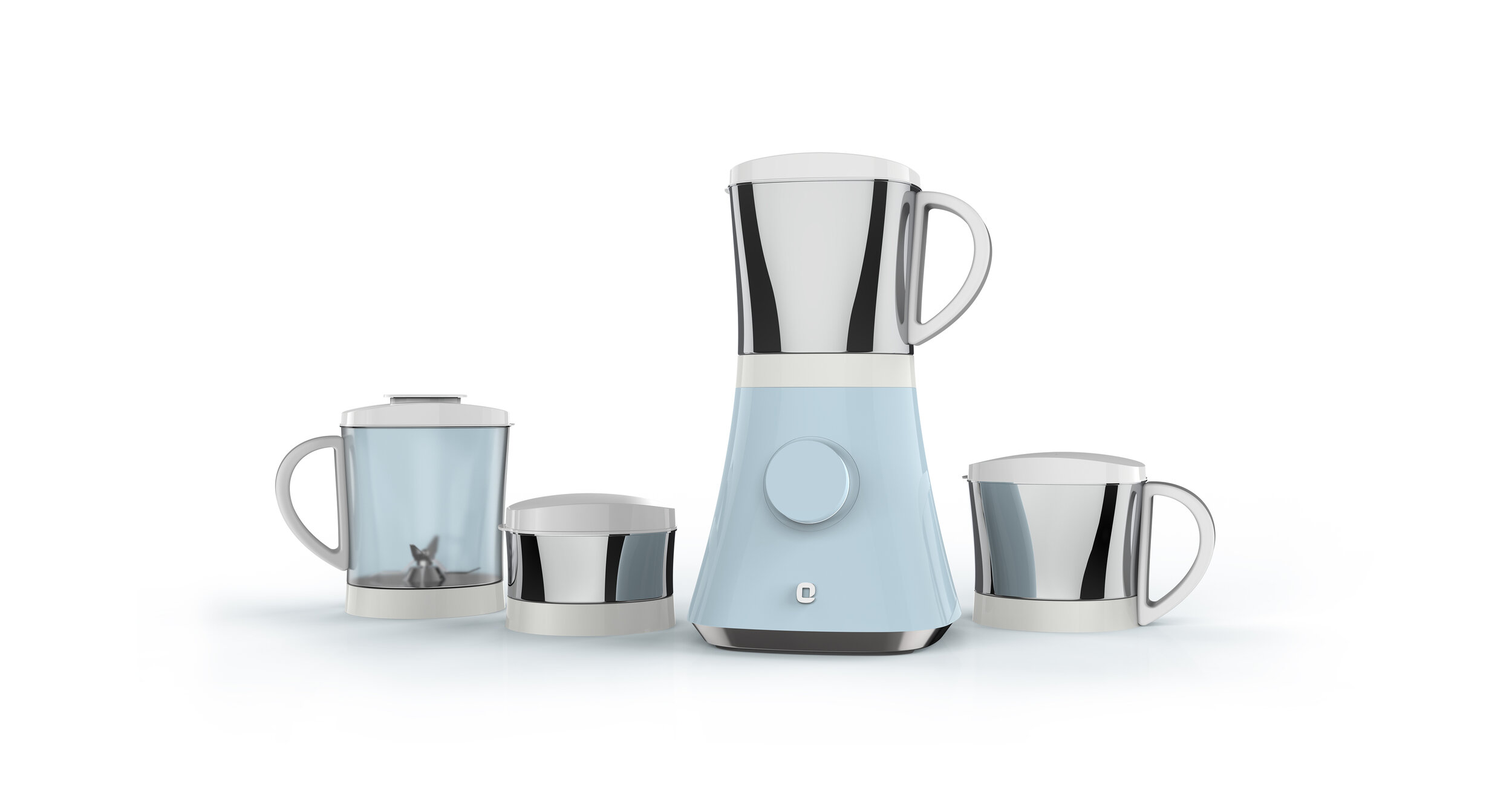
Chrome plated logo · Big jog dial interface · Satin finish SS jars · Elastomer lid
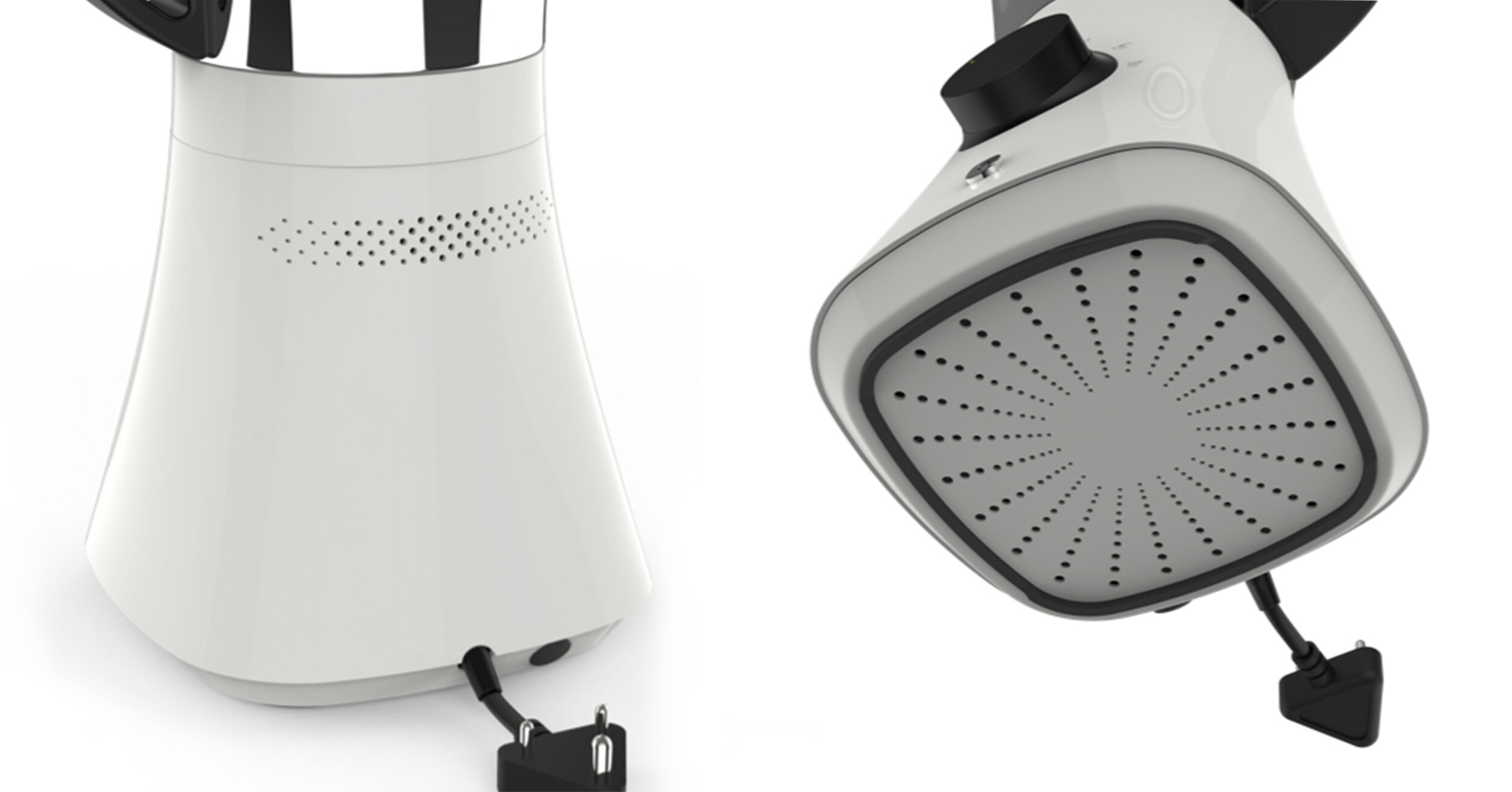
Vent details · Bottom air grill · Elastomer friction pad · Retractable wire
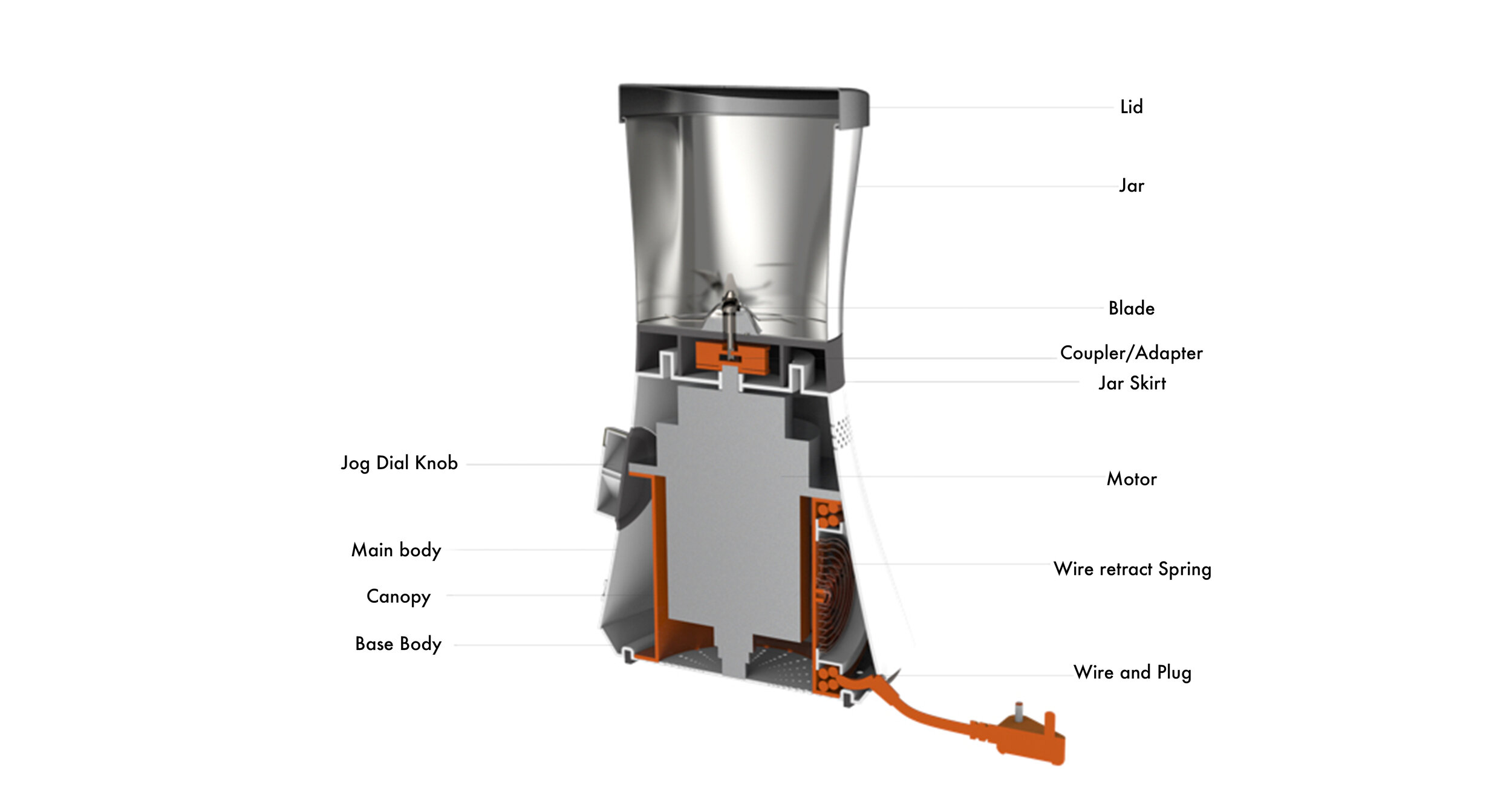
Parts of the proposed mixer grinder
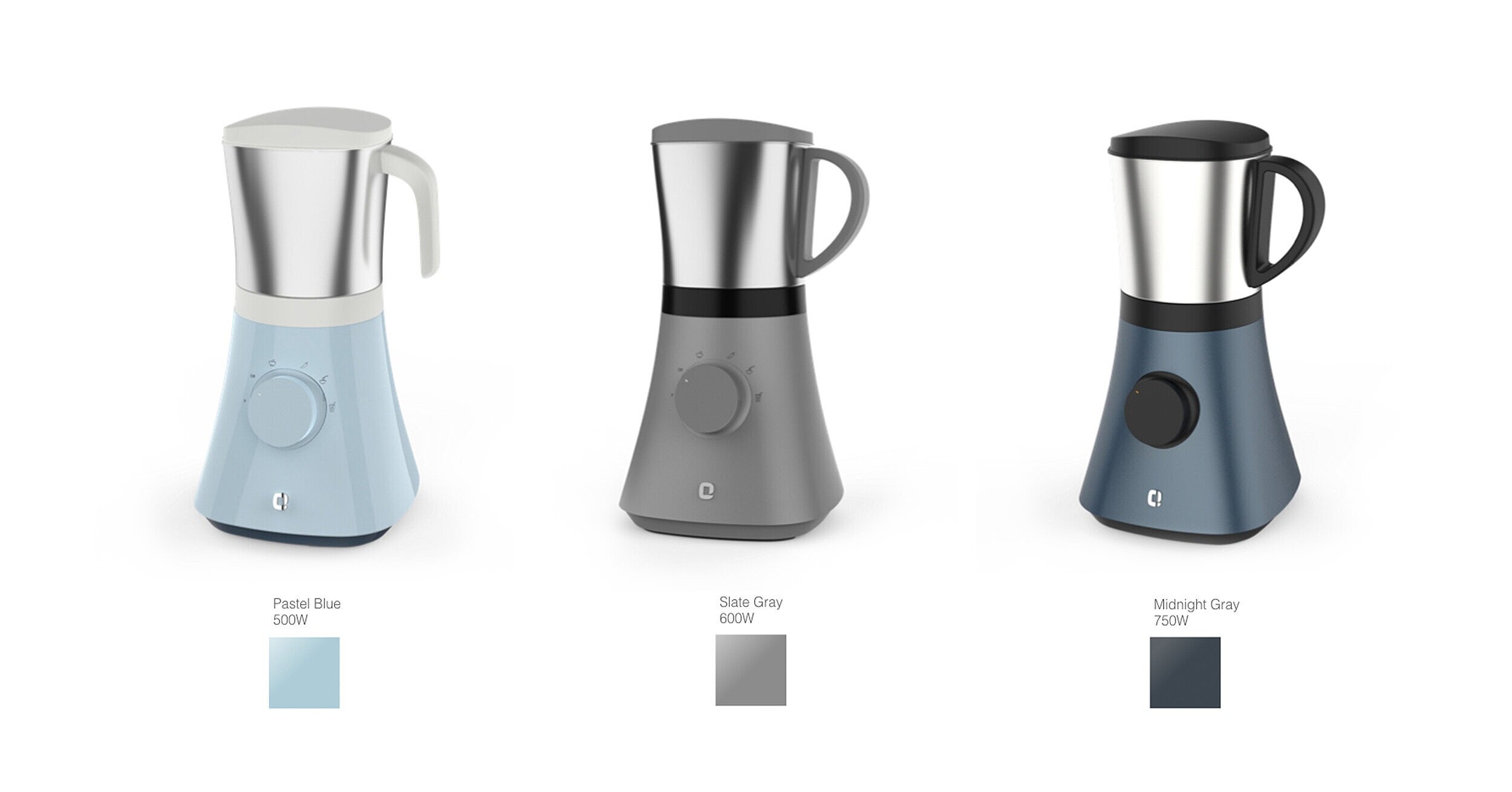
Colour variants — 500W, 600W & 750W range
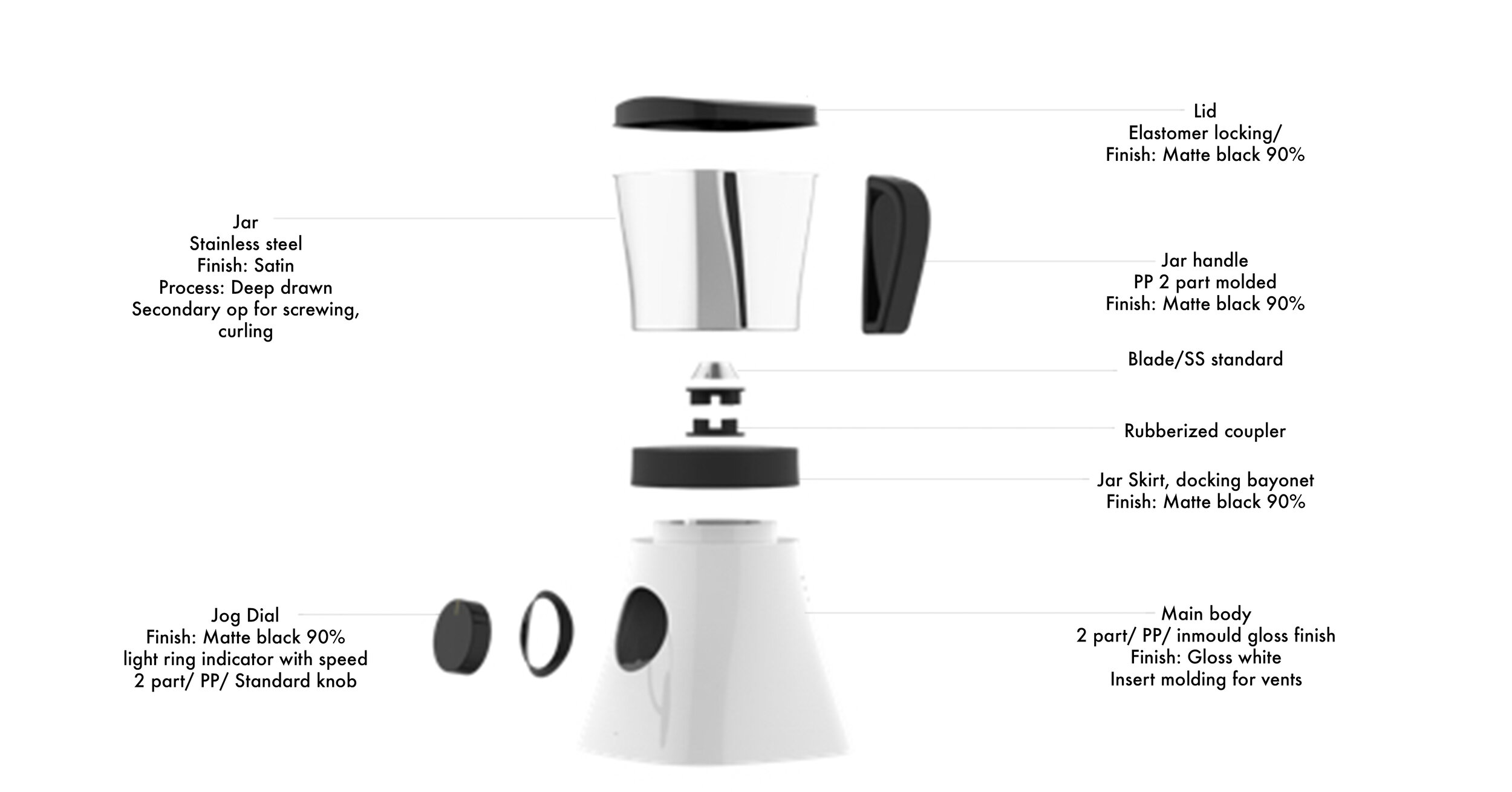
Exploded parts — jar assembly · material & finish callouts
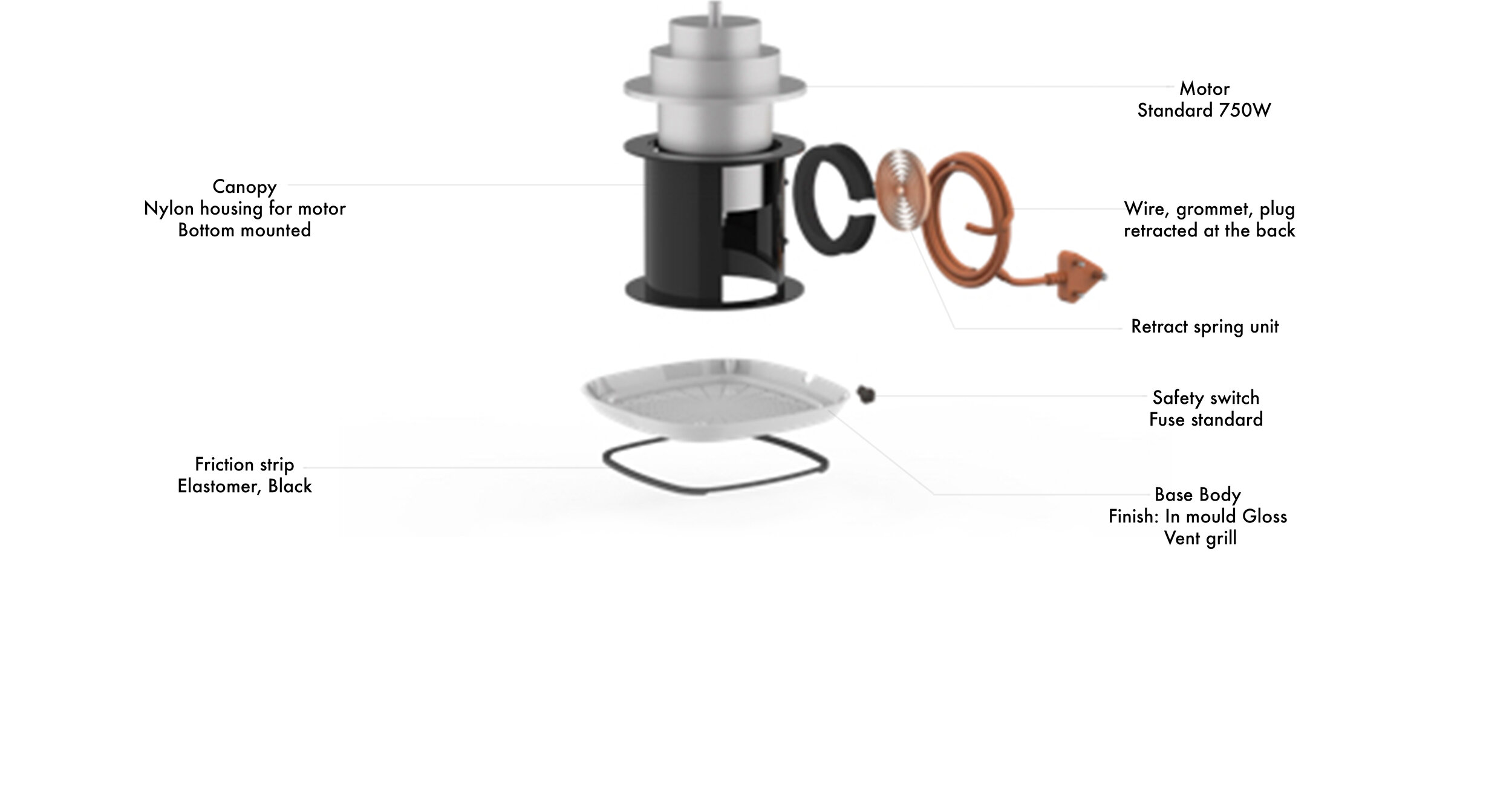
Motor base — exploded view · component & material specification
Presentation board — Orient Electric design review
Product Range
One design language, three wattage tiers
Same form, same CMF system — colour differentiates 500W, 600W, and 750W. One tooling investment, single coherent product family.
Concept A
Flow
The harder, more geometric direction developed alongside Curv.
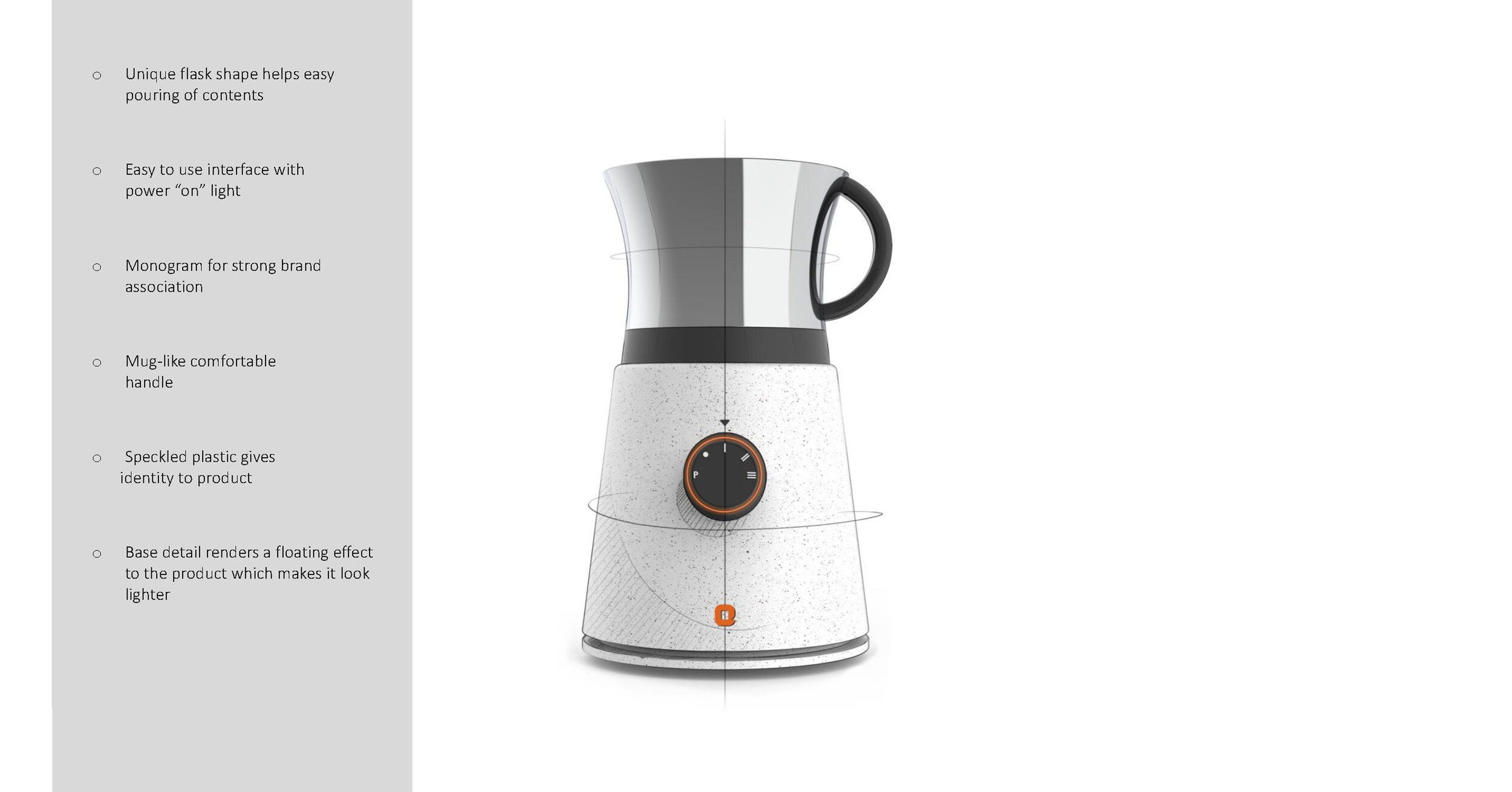
Feature highlights
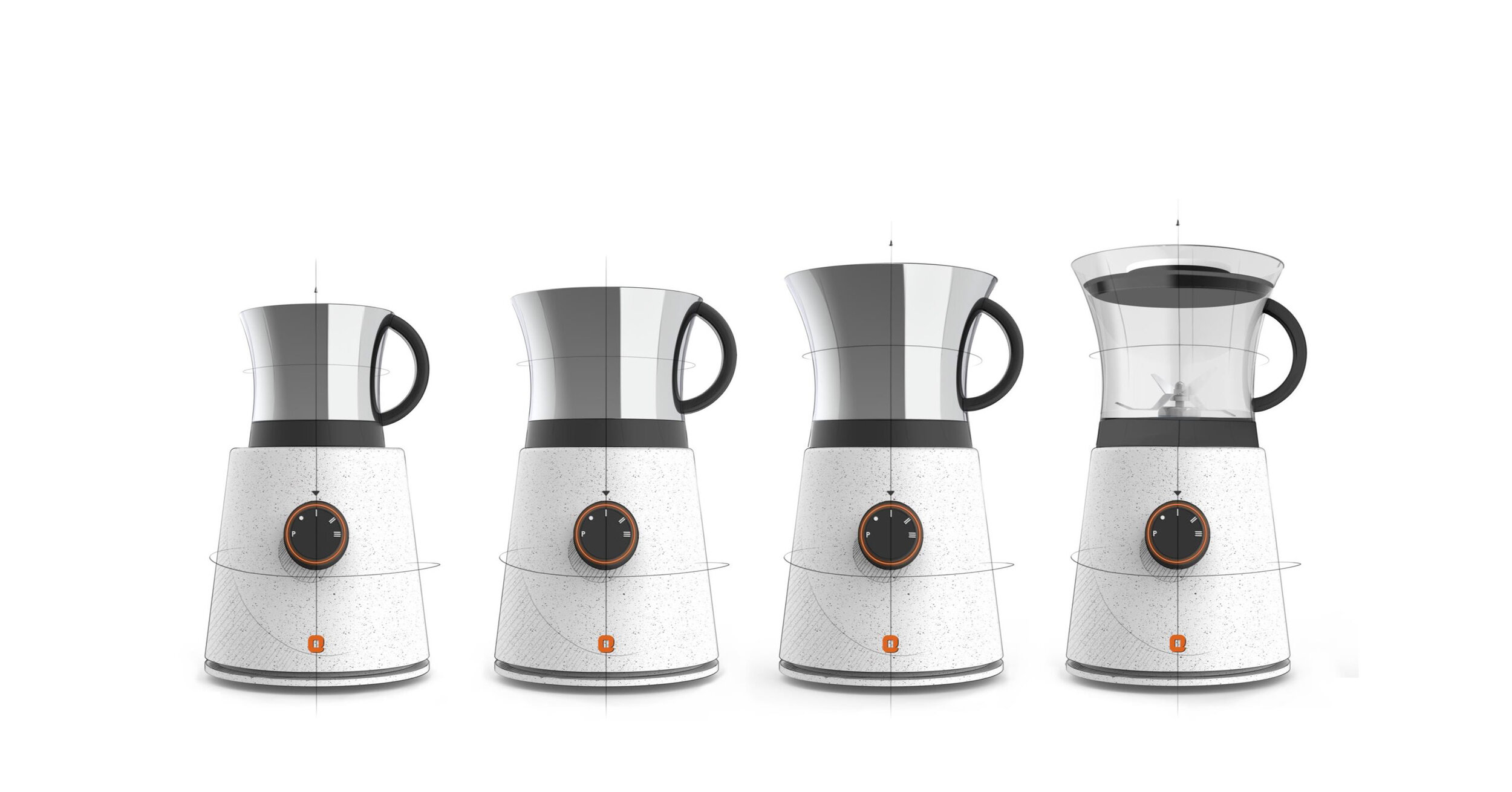
Flow range — 500W · 600W · 750W
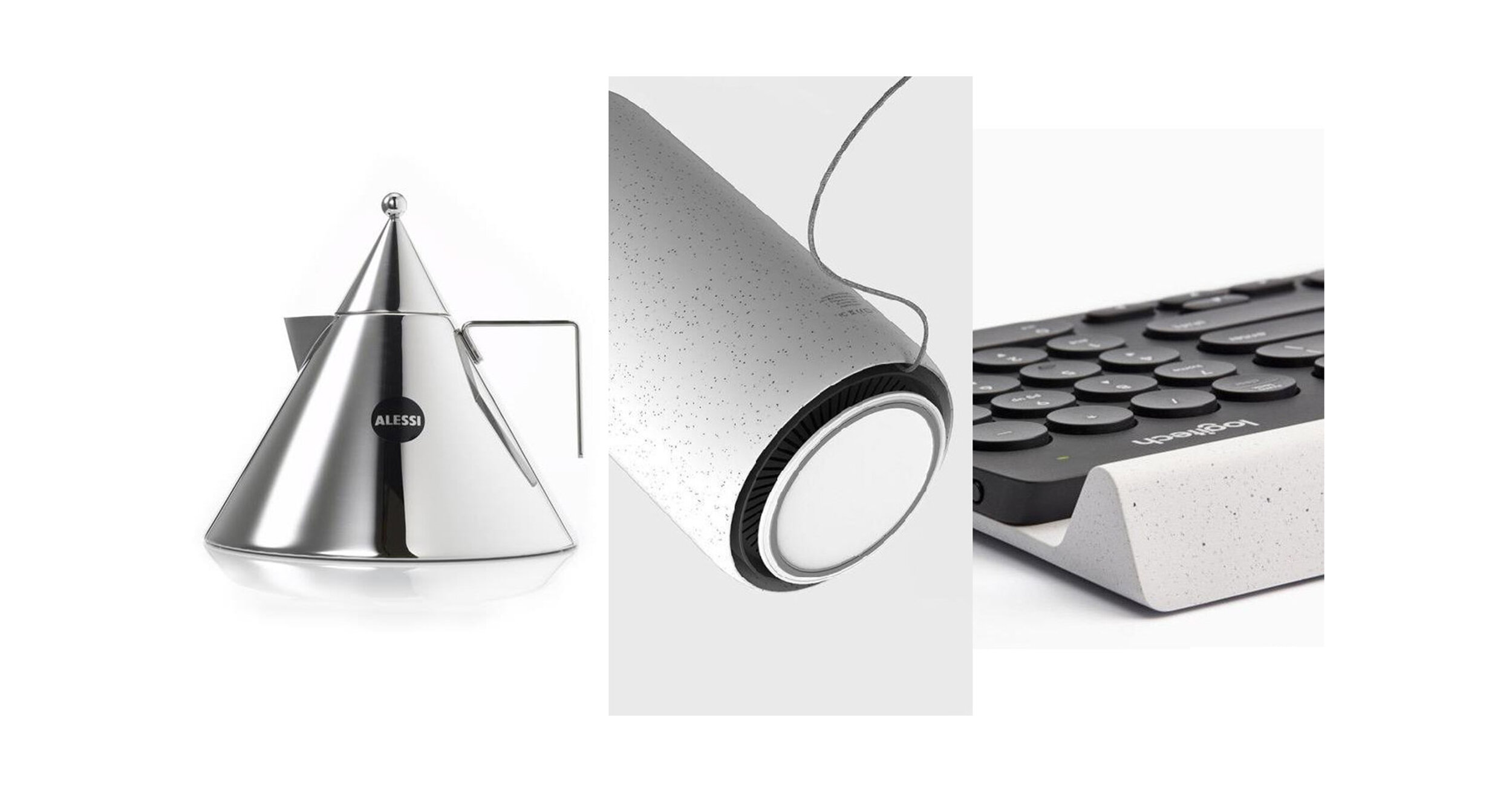
CMF direction
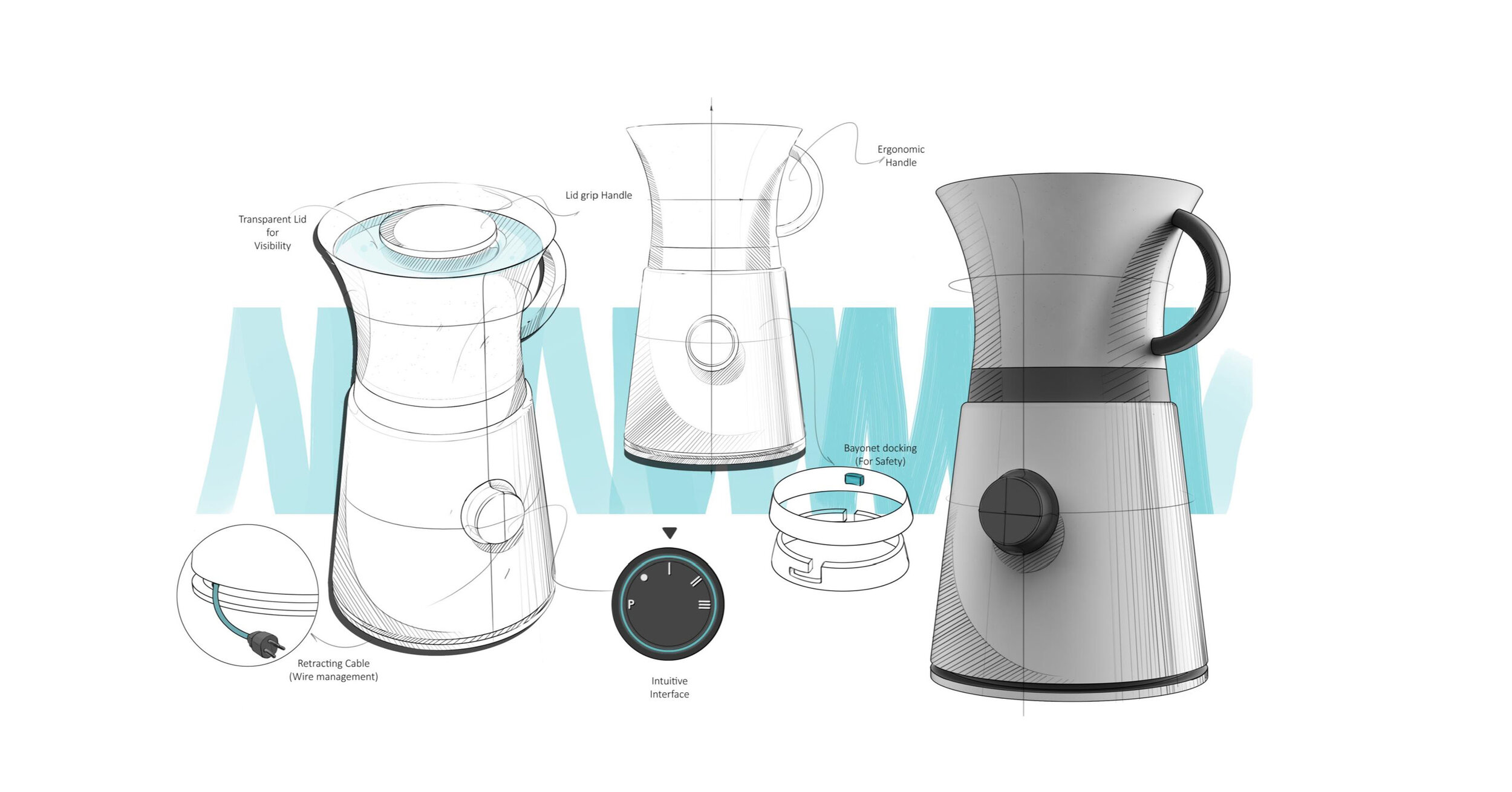
Sketch process
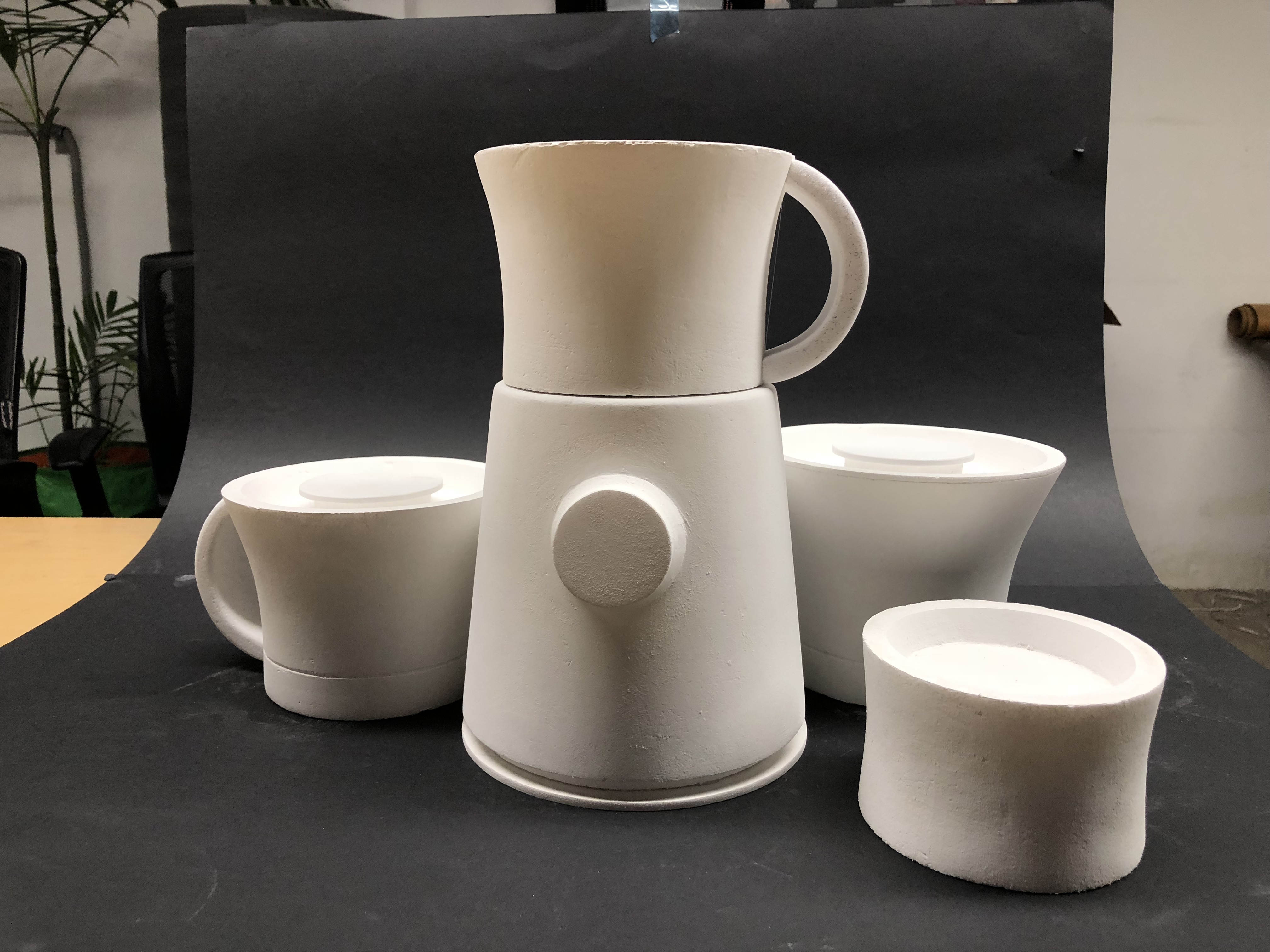
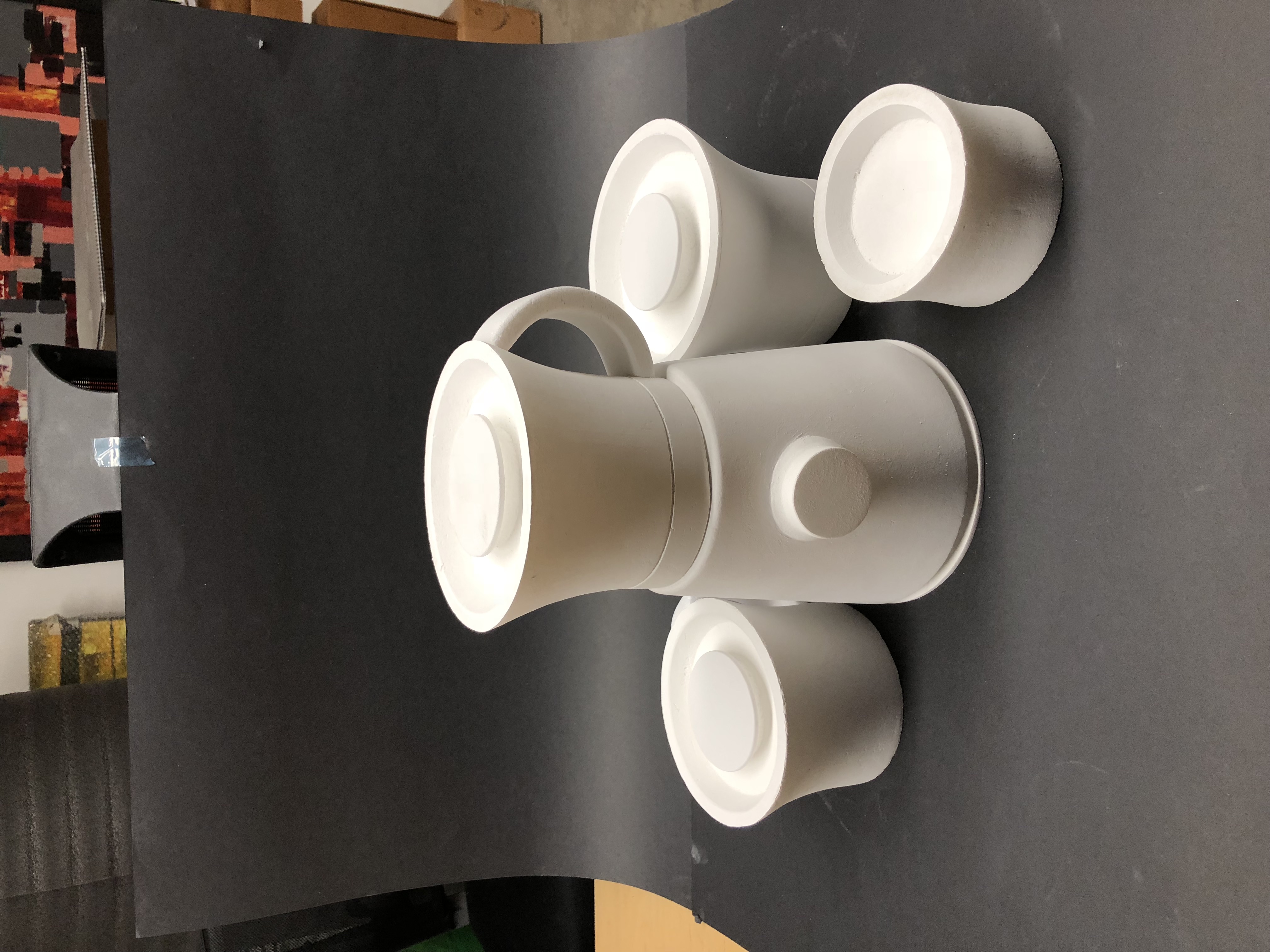
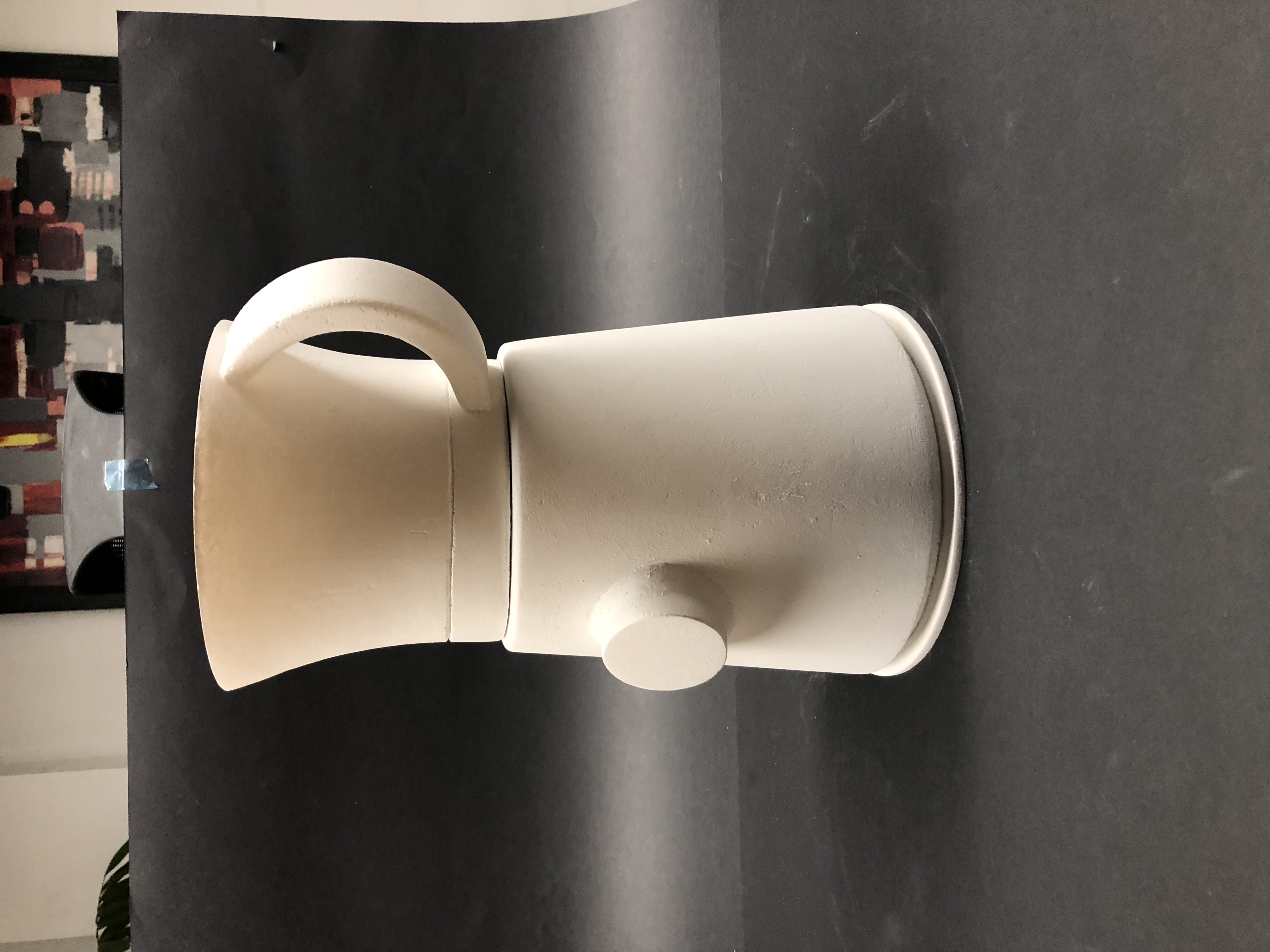
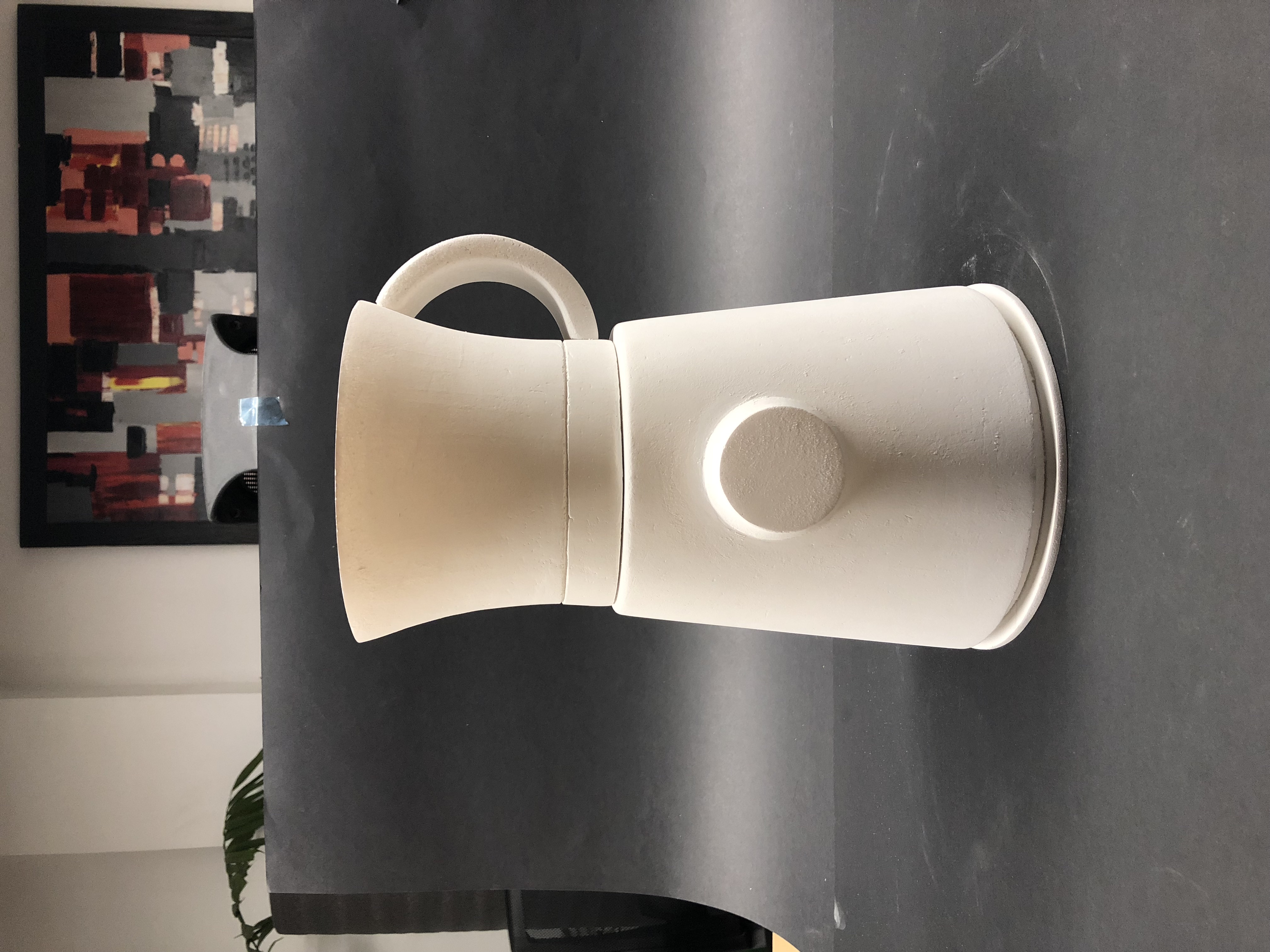
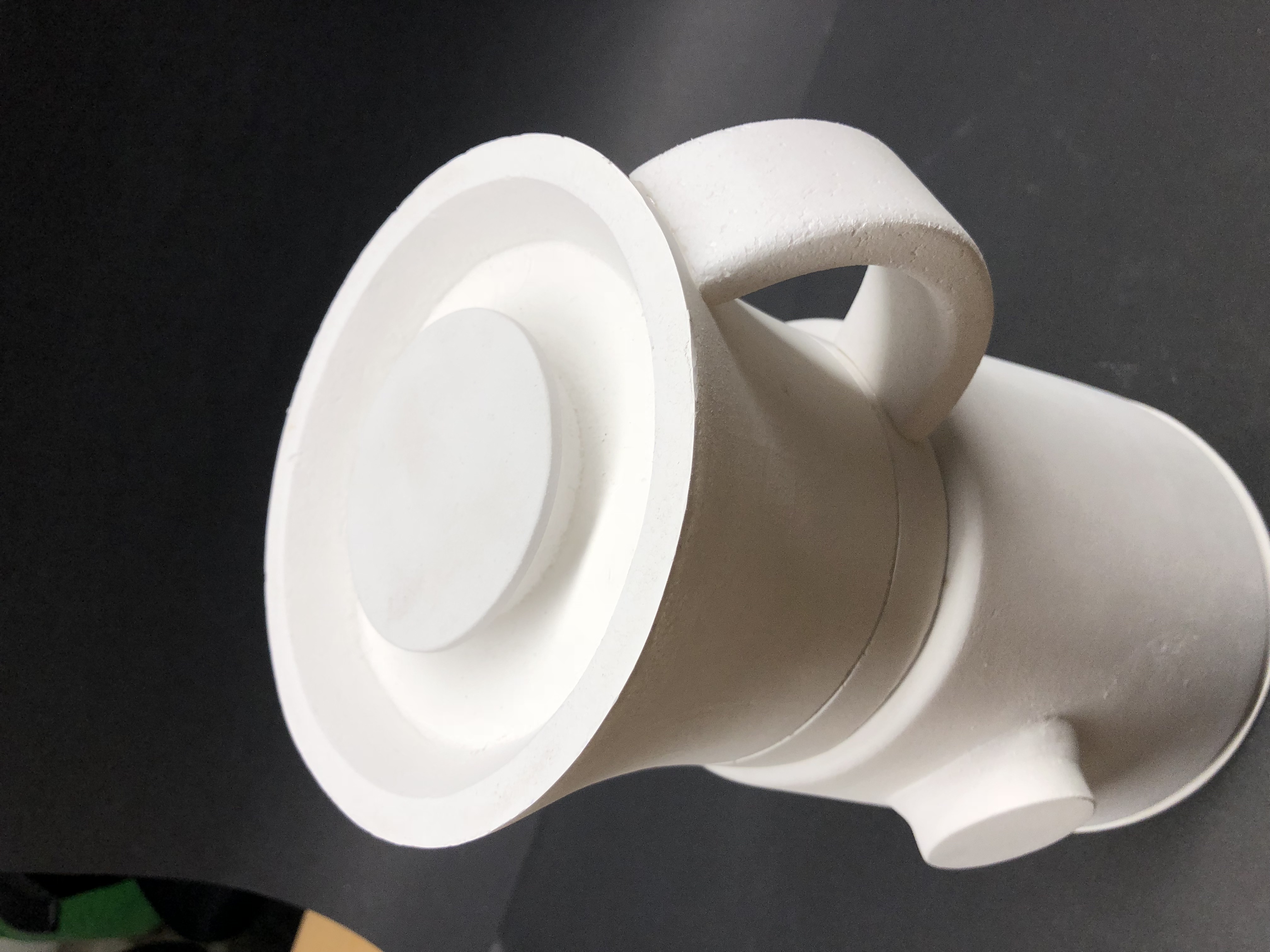
Low fidelity foam prototypes at 1:1 scale to study form factor and validate proportions and ergonomics
What this demonstrates
ID craft from insight to specification.
Curv covers the full ID process over 6 months — user research, structured ideation, form development, CMF decisions, material specification, and technical documentation. Each design decision is traceable to a specific insight or constraint from earlier in the process, not arrived at by aesthetic instinct alone.
The product was not manufactured — shelved due to budget cuts at Orient Electric. It remains work I'm proud of for the rigour that went into it.
Curv wasn't just a styling project — it was a brief to reposition a brand. Every design decision had to earn its place against both user insight and commercial logic.