Front-End Innovation & NPD Strategy · Newell Brands - Sistema, NZ · 2023–25
NPD Innovation
Three curated examples of front-end innovation leadership (FEI) — Ceramics, Kids Bento, and Steel Hydration — turning category white space into stage-gate-ready briefs, concept portfolios, and IP, while co-developing MicroBento as a launched product in parallel.
What this work represents
The role
Research-to-roadmap lead across 3 concurrent new-category pipelines — sole owner from market visits through to stage-gate brief.
The output
3 category briefs advanced to Technical Assessment (Newell Stage Gate), 12+ concept directions, 2 patents under filing — all delivered while co-leading MicroBento to launch.
$50M+
USD targeted revenue across 10+ product lines
3
New categories explored in FEI — Ceramics, Kids Bento, Hydration
9+
Competitors analysed across ANZ and EMEA markets
12+
Concept directions developed — 4 advanced to development following presented concept cases
Methodology
How I approach front-end innovation
Every project in this pipeline follows the same five-step framework — grounding each concept in real market and consumer evidence before any design decision is made.
01 — Discover
Market visits & category audit
Retail shelf audits, CSI data, trend analysis, and competitor landscape mapping to identify category gaps and white space.
02 — Research
Consumer personas & insights
Primary and secondary consumer research — quant/qual frameworks, segmentation, and persona development to ground the design brief.
03 — Frame
Strategic pillars & design brief
Translating insight into a structured "We Should / Because" brief — defining the design opportunity with clear consumer and business rationale.
04 — Ideate
Concept directions
Multiple concept directions developed per strategic pillar — combining industrial design thinking, IP considerations, and manufacturing feasibility.
05 — Roadmap
Category strategy & pipeline
Recommended pathways for stage-gate sign-off — phased roadmaps, target competition framing, and next-step validation proposals.
Below is how each step of that framework played out across the three projects.
Project 01 — Category Innovation
Ceramic Food Storage — Entering a New Category
EMEA and ANZ regional markets were showing a clear shift toward non-plastic food storage, with glass dominating shelf space and Décor holding market leader position. The brief: assess whether ceramic was a credible, differentiated entry — and build the strategic foundation to take it to NPD. Ceramic's tactile warmth, customisable glazes, and premium perception offered a meaningfully different value proposition to glass.
Strategic Framework
Three design directions — three consumer needs
Research and persona work with the Family First Chef (FFC) segment — Sistema's internal consumer segmentation framework — surfaced three distinct strategic opportunity spaces. Each pillar drives a different design direction and targets a different usage occasion.
Pillar 01
Express Yourself
Design-driven · Individuality · Aesthetics
-
Products that reflect individual style — prints, glazes, textures as self-expression
-
Mix-and-match glazes, colours, and surface finishes
-
Opaque ceramic with reusable labelling — aesthetic without contents-visibility trade-off
Pillar 02
Tableworthy
Multifunctional · Serveware · Dining experience
-
Storage, display, and dinnerware in one vessel
-
Guest-worthy enough to serve from, practical enough for everyday
-
Fewer dishes, less space — suits smaller modern households
Pillar 03
On-the-Go
Multimaterial · Lightweight · Portable
-
Leakproof, shatterproof, light — addresses anxiety around both plastic and glass
-
Ceramic-coated steel — lighter, unbreakable, decoratable
-
Ceramic material fillers for lower density — a defensible weight claim
Concept Directions
Six concepts — three pillars
Each concept maps to one or more strategic pillars — exploring the full range of ceramic's potential from personalised food storage to oven-to-table serveware and lightweight on-the-go formats. AI tooling was integrated into the ideation process to rapidly expand the concept space — with human-led curation, strategic filtering, and design direction applied at every stage.
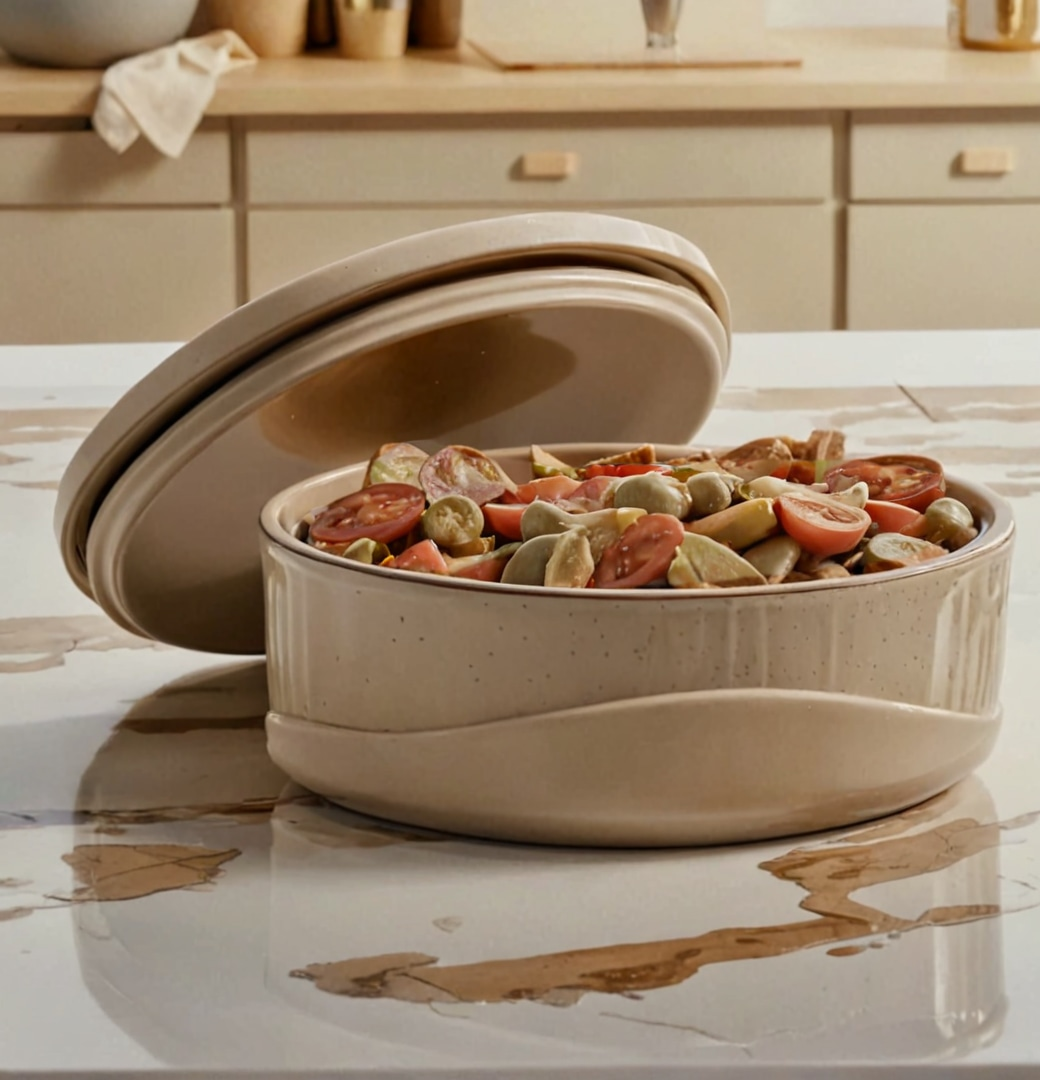
Cerame
Express Yourself · On-the-Go
Where Function Meets Your Signature Look. Personalised ceramic food storage with curated mix-and-match glazes — matte, gloss, speckled, crackle — and a leakproof BPA-free lid.
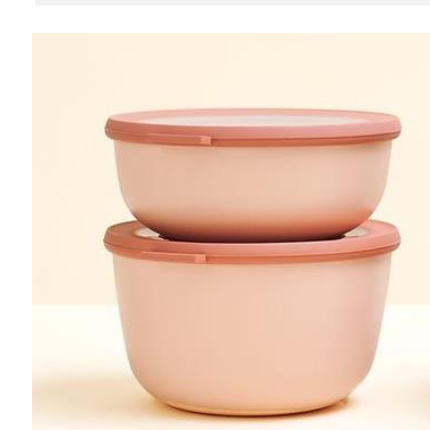
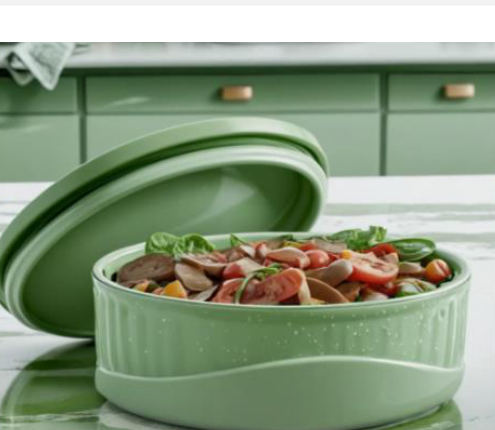
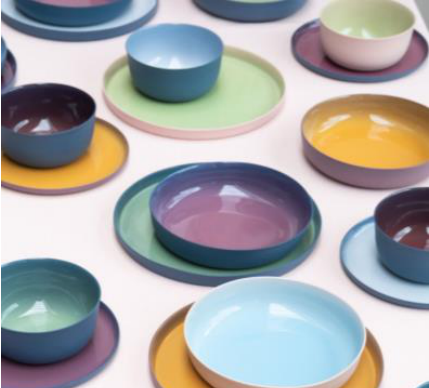
Stackable
Personalized aesthetics
Functional Serveware
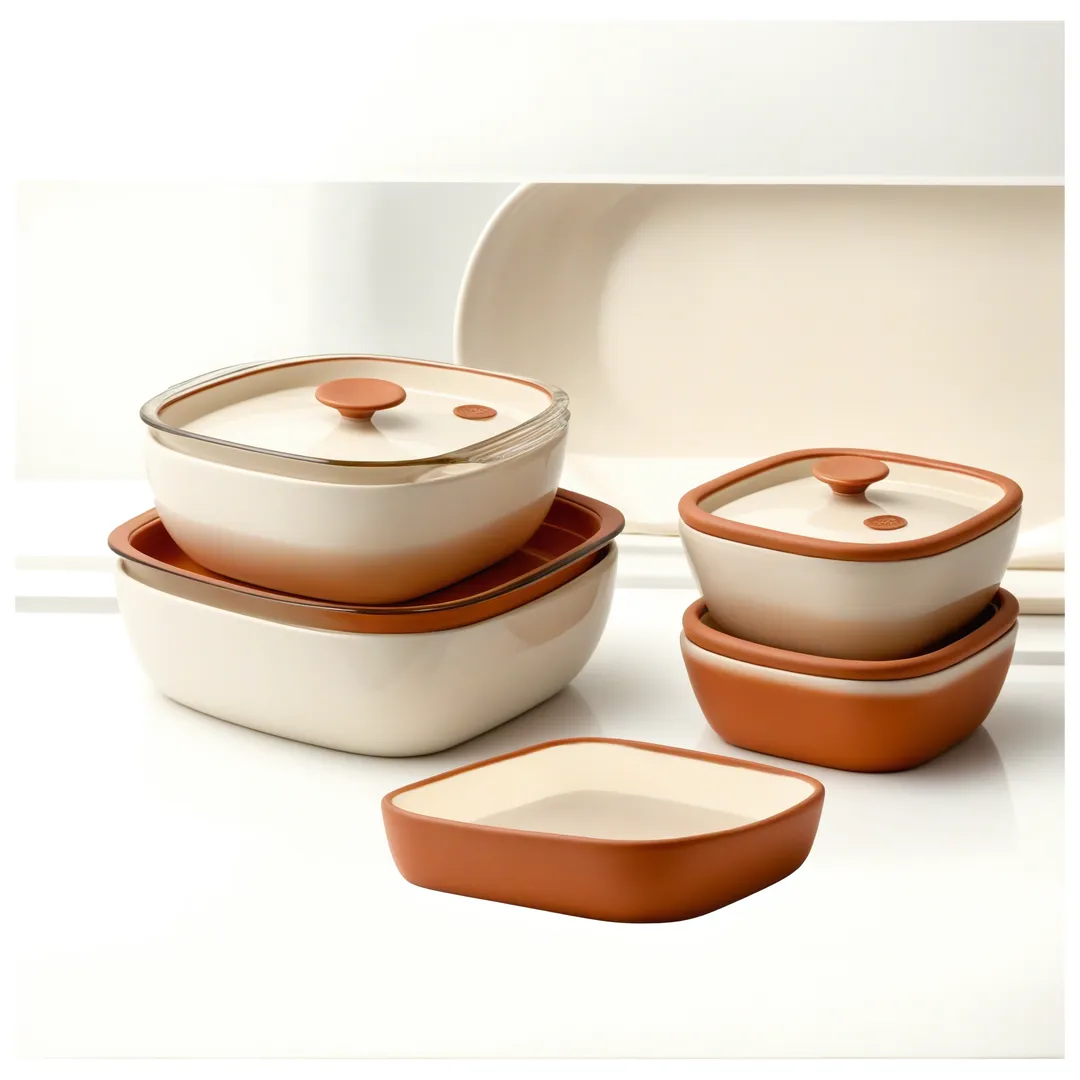
Clayware
Tableworthy · On-the-Go
Cook it. Serve it. Love it. Ceramic-coated glass containers for microwave and oven use — prep to plate in one seamless step, with a steam-release valve lid.
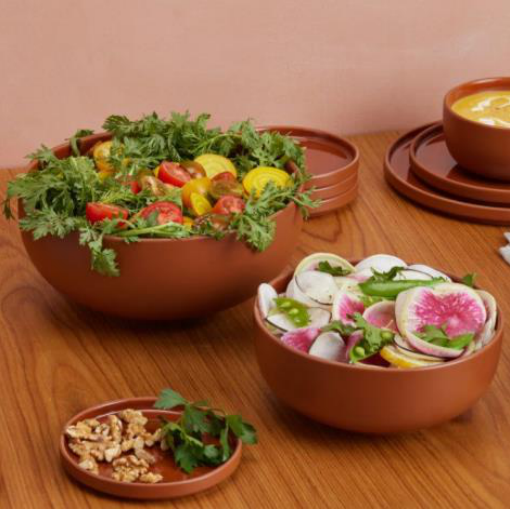
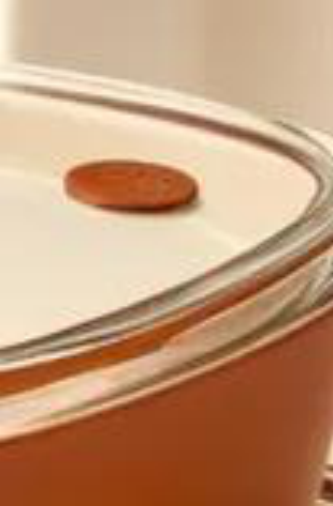
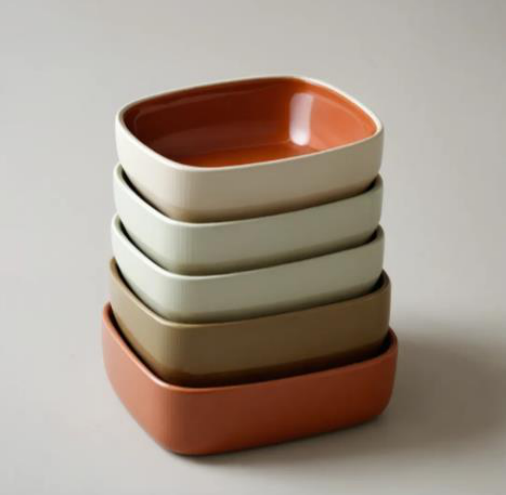
Dinnerware
Microwave vents
Nests and Stacks
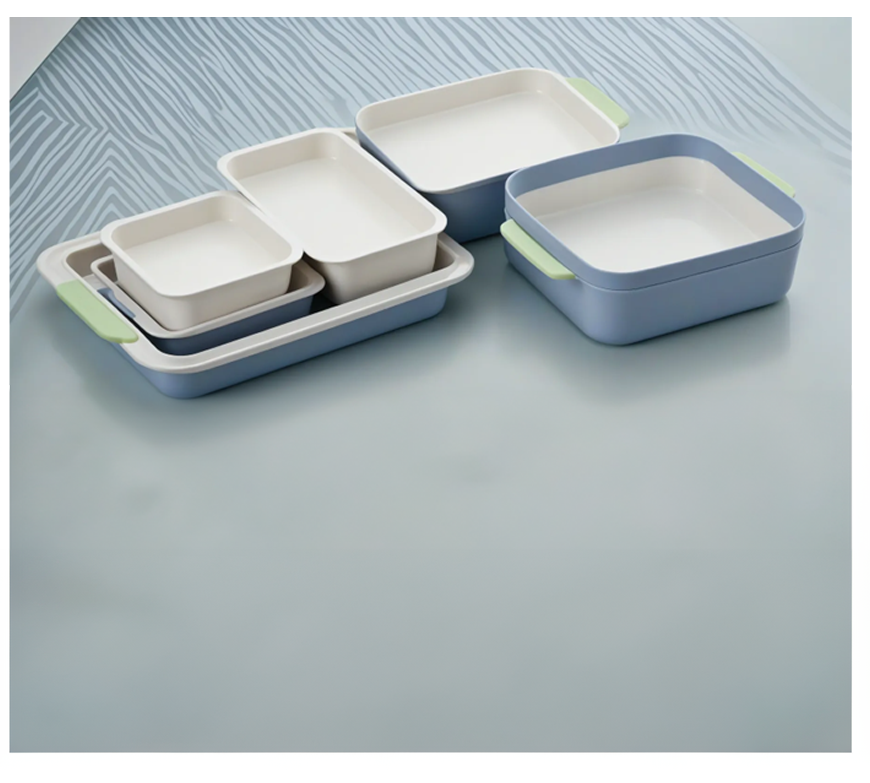
Hearth
Tableworthy — Oven to Table
Oven to tableware. Premium ceramic serveware with removable silicone handle guards and temperature-sensitive colour-changing glazes that signal when food is hot.
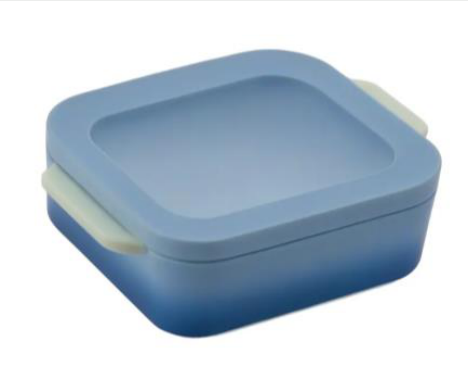
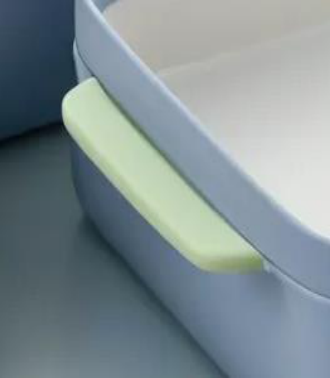
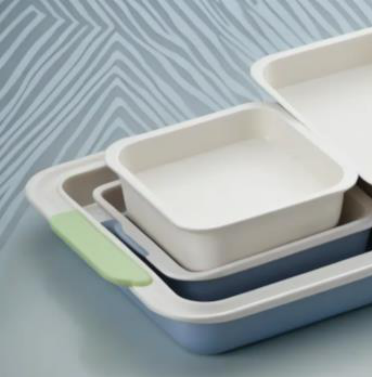
Thermo sensitive glaze
Removable handle guards
Nestable storage
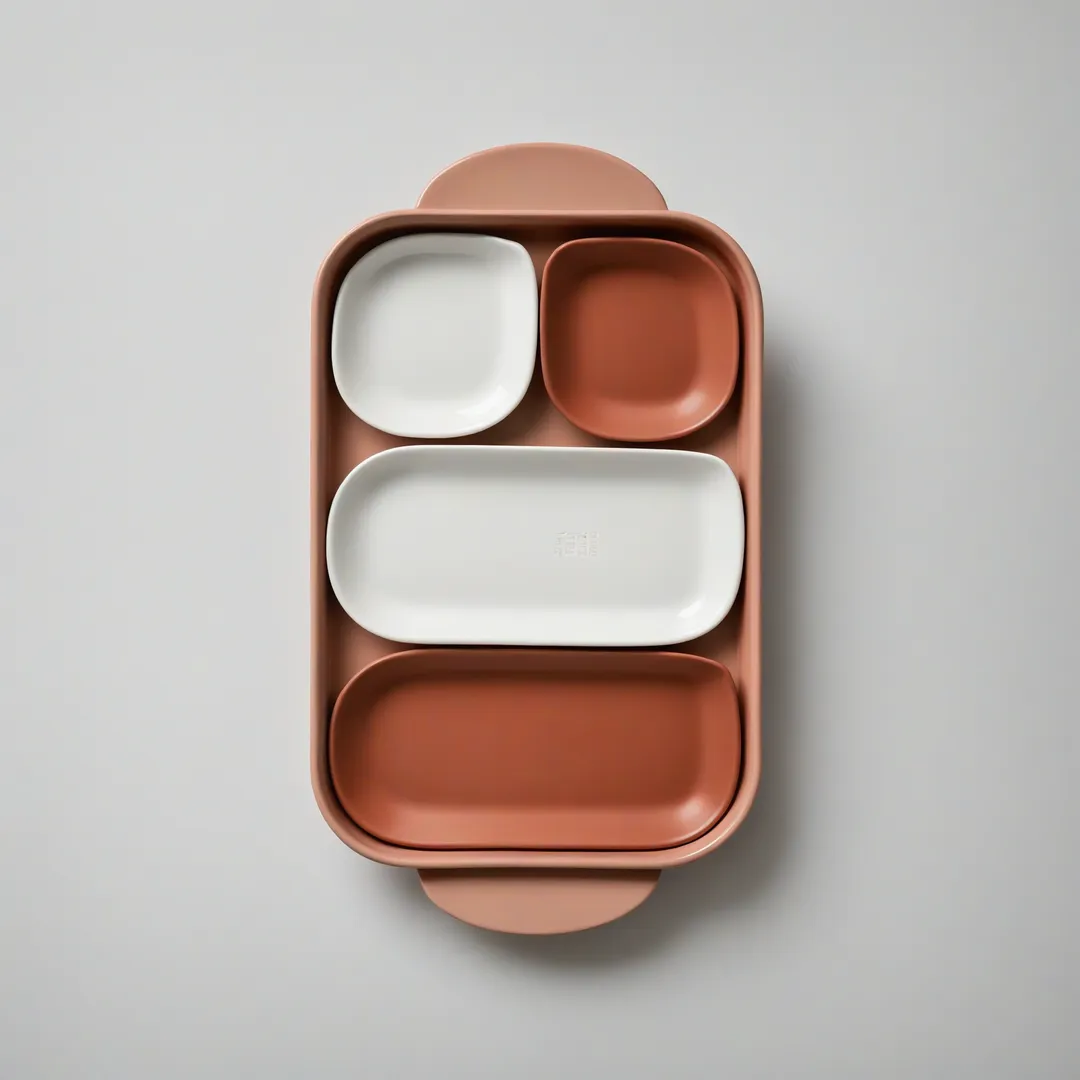
Nest
Tableworthy — Oven to Dinnerware
Oven to Dinnerware. Modular ceramic system — the tray bakes and presents, the ceramic inserts double as individual plates.
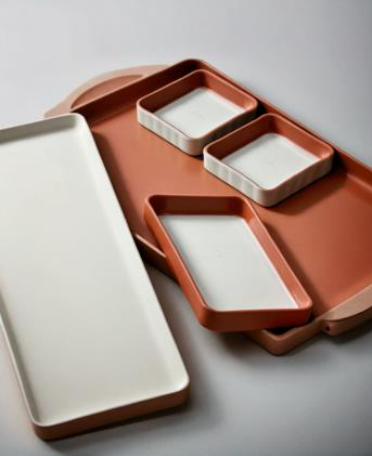
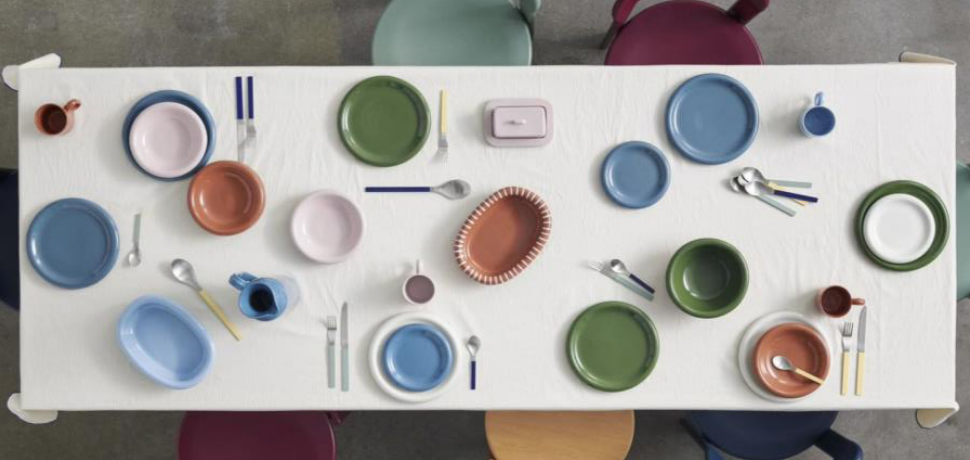
Modular
Portion sized sets
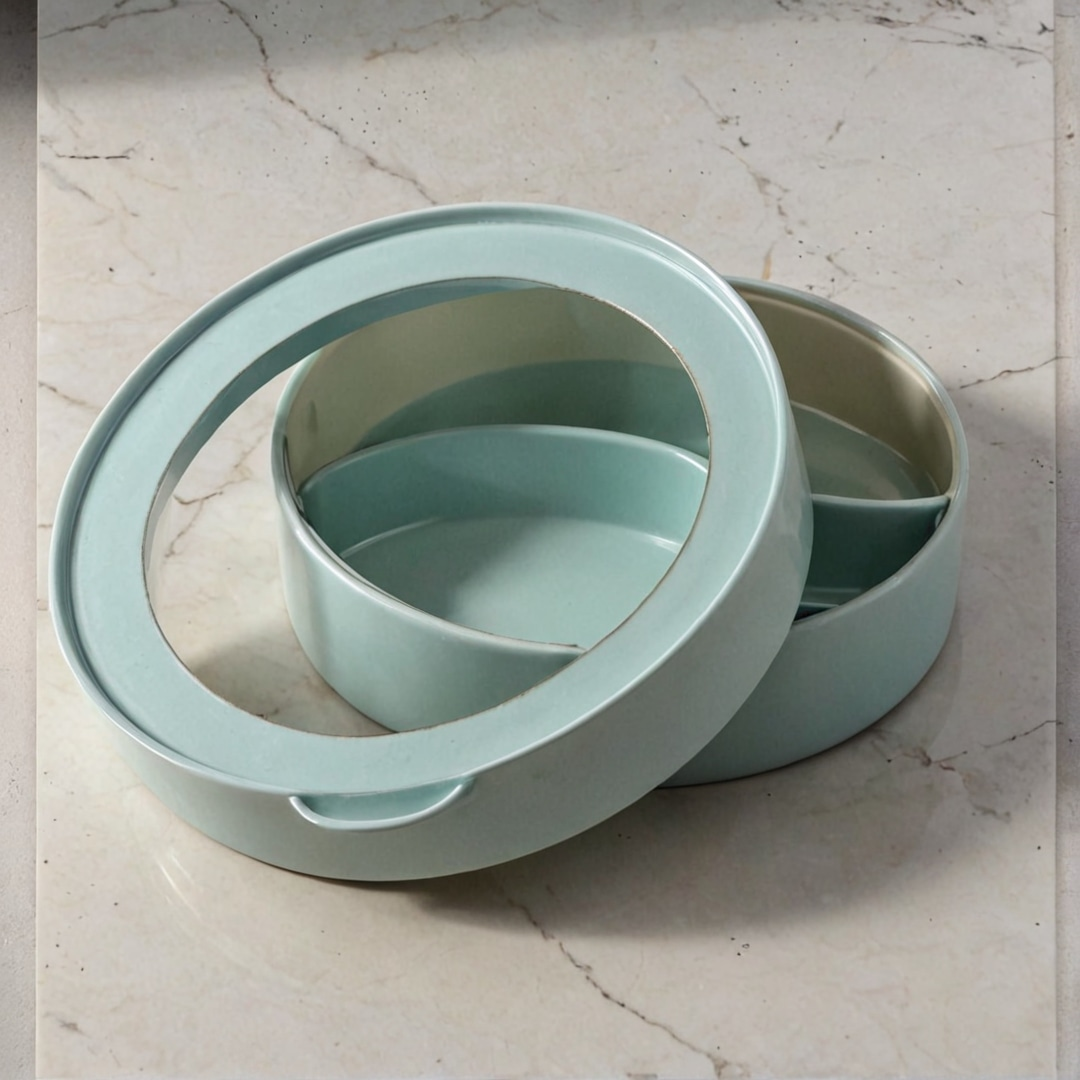
Porta
On-the-Go · Food Storage
Multicompartment ceramic container. Premium on-the-go ceramic with multiple compartments for portioned, balanced meals — microwave-safe, odour-resistant, refined enough for a desk or dining space.
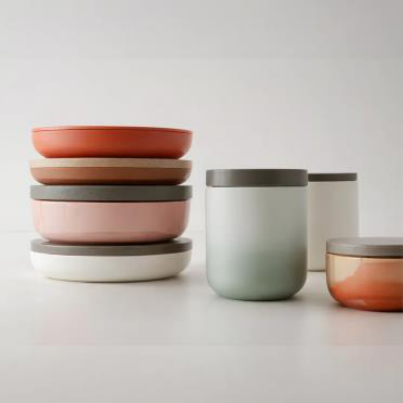
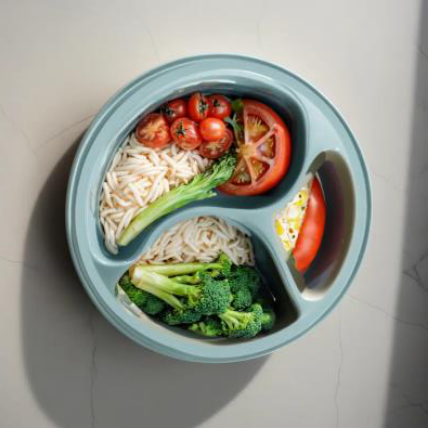
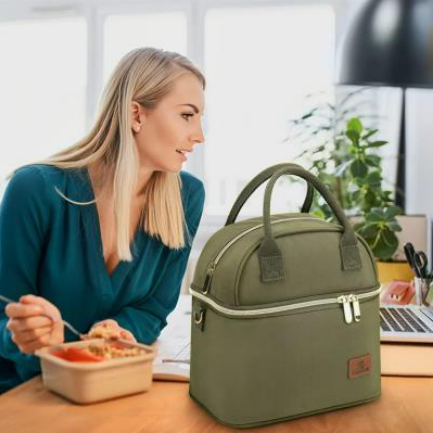
Plate like sizing
Multi-compartment Meal Prep
On the go
Coreware
On-the-Go · Kids & Adults
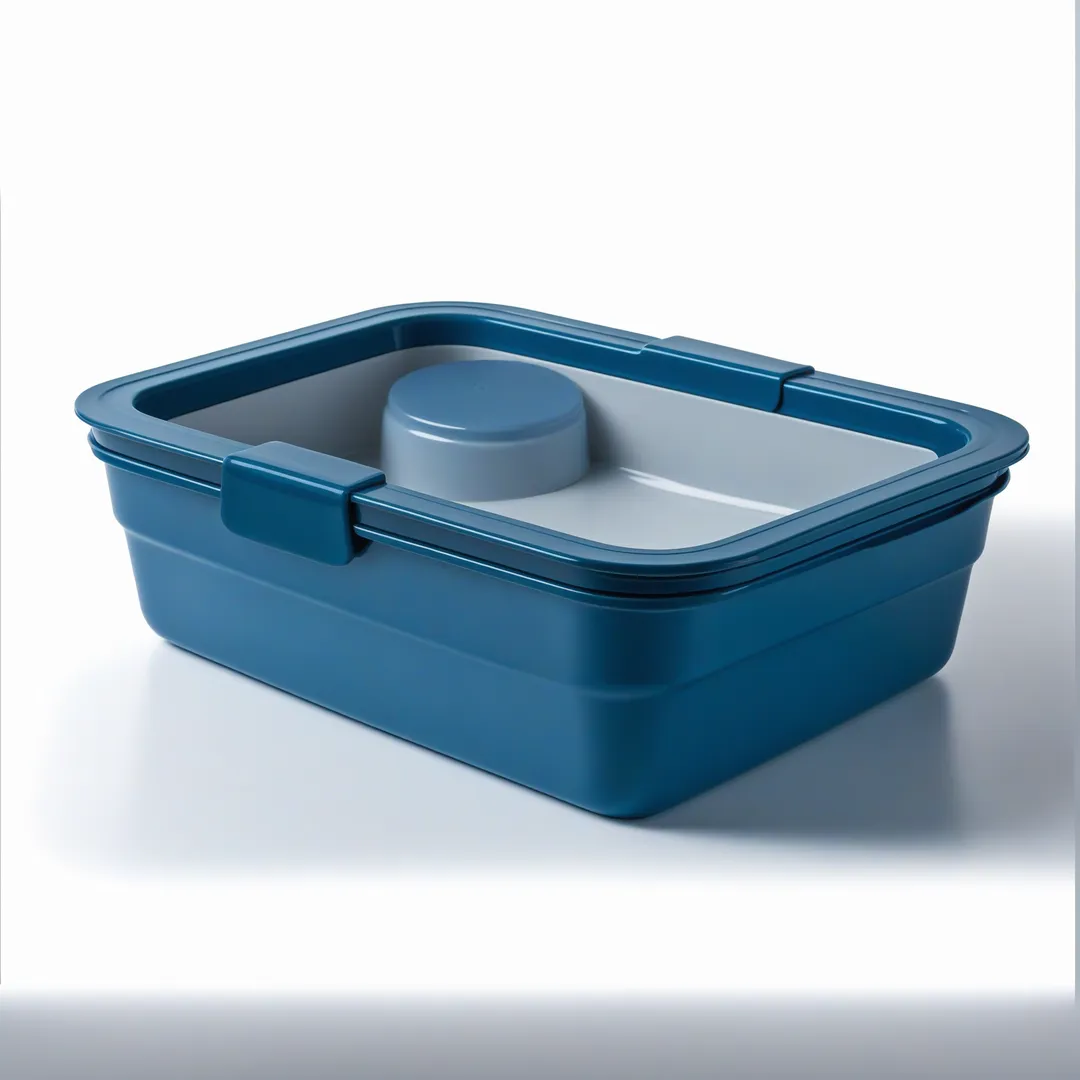
Lightweight ceramic finish. Steel-coated ceramic core — non-toxic, odourless, flavour-neutral surface with the durability of steel. Modular insert tray and leaktight lid for school, work, or travel.
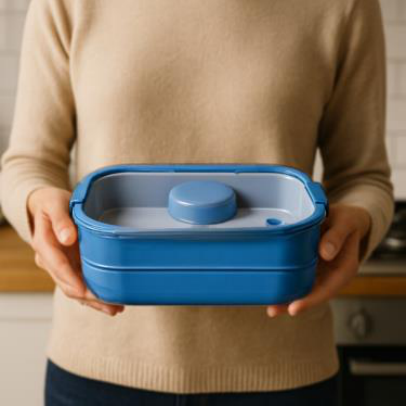
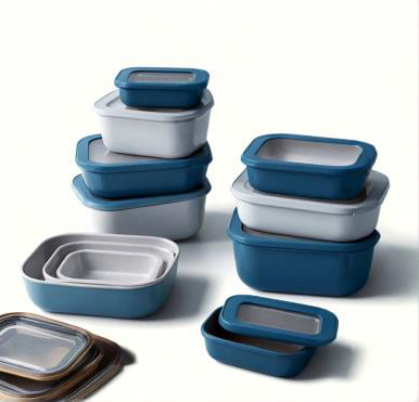

Lightweight
Aesthetic Designs
Style on the go
Competitive Landscape
Target competition — similar offering at a lower price
Competitive audit covered 9+ brands across ANZ and EMEA — including hydration brands expanding into ceramic food storage (Frank Green, W&P Porter, YETI DuraSip), established ceramic players (Caraway, Villeroy & Boch), and food storage specialists (LocknLock, Kook). The two primary target competitors identified are both premium-positioned market leaders:
Target Competitor A
Anyday
Glass with silicone seals for microwave use. Premium pricing. Market leader in functional non-plastic food storage.
USD $32–$58 per piece · Sets from $55
Opportunity: better aesthetics, brand differentiation, heat retention — at a comparable price.
Target Competitor B
Caraway
Ceramic-coated glass food storage and on-the-go containers. Premium pricing. Market leader in aesthetic non-plastic food storage.
USD $30–$60 per piece · Sets from $145
Opportunity: true ceramic glazes go further than Caraway's coating — deeper personalisation, more distinct aesthetic.
Category Roadmap
Proposed pathway — four phases
The roadmap proposes a phased market entry — starting with ceramic-coated glass and steel (lower risk, faster to market) before progressing to full ceramic containers and oven-to-table formats. Each phase targets a progressively broader consumer and usage occasion.
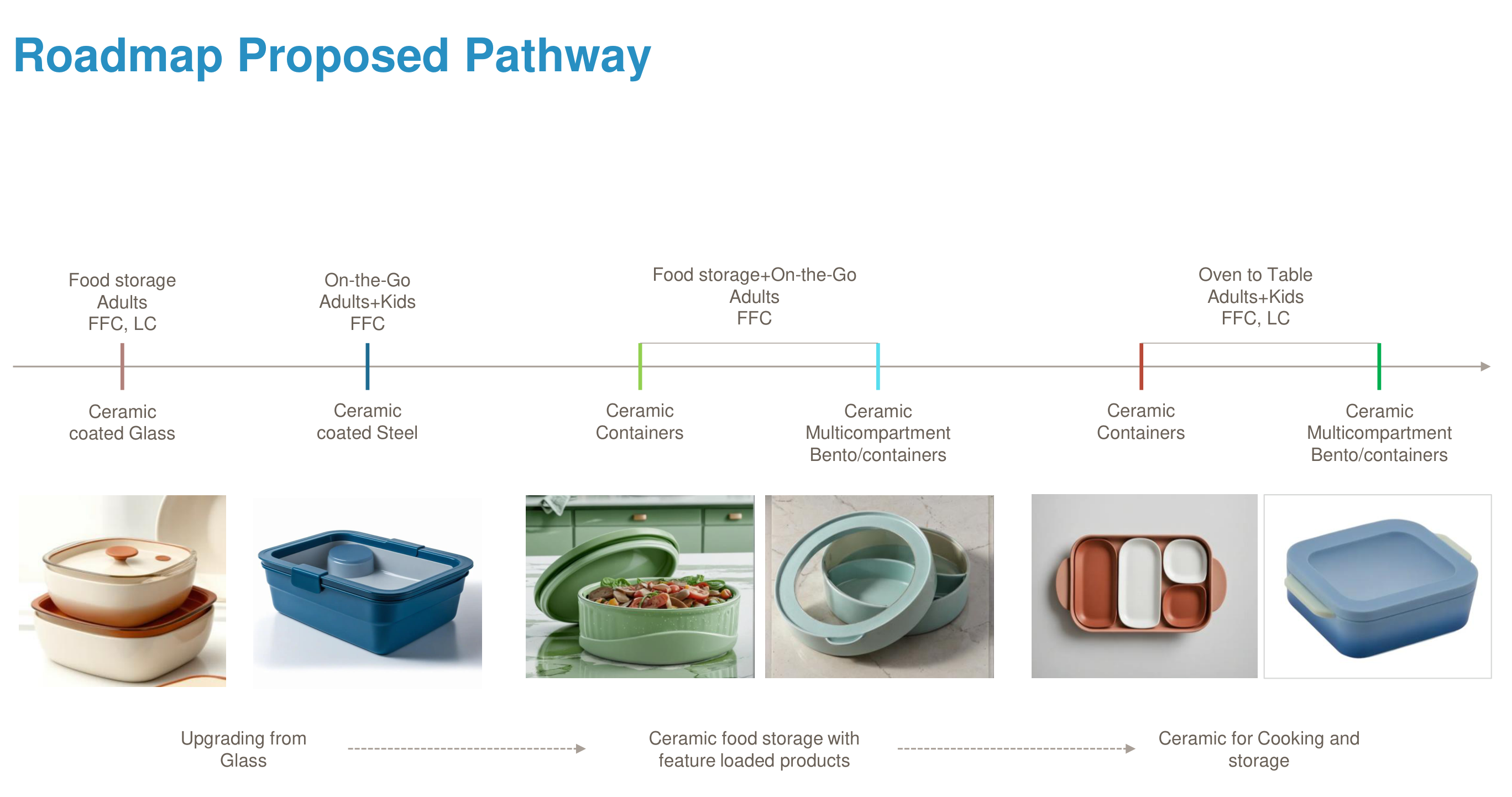
Proposed roadmap: Ceramic-coated Glass → Ceramic-coated Steel → Ceramic Containers → Oven to Table
This represented a disruptive innovation opportunity for Newell Brands — with applicability across both Sistema and Rubbermaid, the work was scoped at a cross-brand level from the outset. Given the strategic significance, the project involved active engagement with VPs and Directors across Newell functions including Product, Marketing, Strategy, and Commercial, requiring stakeholder alignment and executive-level communication throughout.
With systematic material testing, supplier exploration, and performance R&D, ceramics represents a credible pathway into a new — and growing — category for Sistema. Recommended next step: concept testing with focus groups to validate consumer perception against glass and plastic.
Full ceramic containers (Hearth, Nest) were deprioritised for immediate NPD due to manufacturing complexity and cost — the phased roadmap starts with lower-risk ceramic-coated formats first.
Project 02 — Kids NPD
Kids Lunchbox
The kids lunchbox category is one of the fastest-growing segments in food storage — driven by increased school participation, parental focus on nutrition portioning, and a shift away from single-use packaging. Consumer research identified a clear gap: parents want leakproof performance and durability, kids want independence and personalisation. No product in the mid-price tier was delivering both.
A premium kids lunchbox range targeting the gap between basic plastic bento boxes and the higher-end market leader Bentgo — which dominates the category but carries known weaknesses around leakage, compartment size, and durability that consistently surface in consumer reviews.
The brief: design a kids lunchbox that solves Bentgo's failure points — genuine leakproof performance, larger compartments, kid-proof durability, and easy-open mechanics sized for small hands — while adding a modular, playful design language that makes the product a clear step up without requiring a premium price.
Competitive Analysis
Bentgo — category benchmark
Bentgo — What works
Multiple compartments — food separation and variety
Fun, colourful designs that appeal to kids
Microwave and dishwasher safe
BPA-free, food-safe materials — strong parent trust
Bentgo — Known failure points
Leakage — compartments not fully leakproof with liquids despite the claim
Compartment size — too small for older kids or bigger appetites
Durability — latches break, seals wear out, doesn't survive daily use
Opening difficulty — latches too hard for young children to operate independently
Extended Ideation
AI-assisted concept exploration
AI-assisted design exploration is applied consistently across all FEI projects as a deliberate methodology — accelerating ideation, stress-testing briefs, and surfacing directions that structured design rounds alone wouldn't reach. For Leaktight Bento, a third ideation round used AI to explore more experimental directions: modular systems, hexagonal form languages, and aesthetic-led kids formats. These concepts informed brief refinement rather than progressing directly to development.
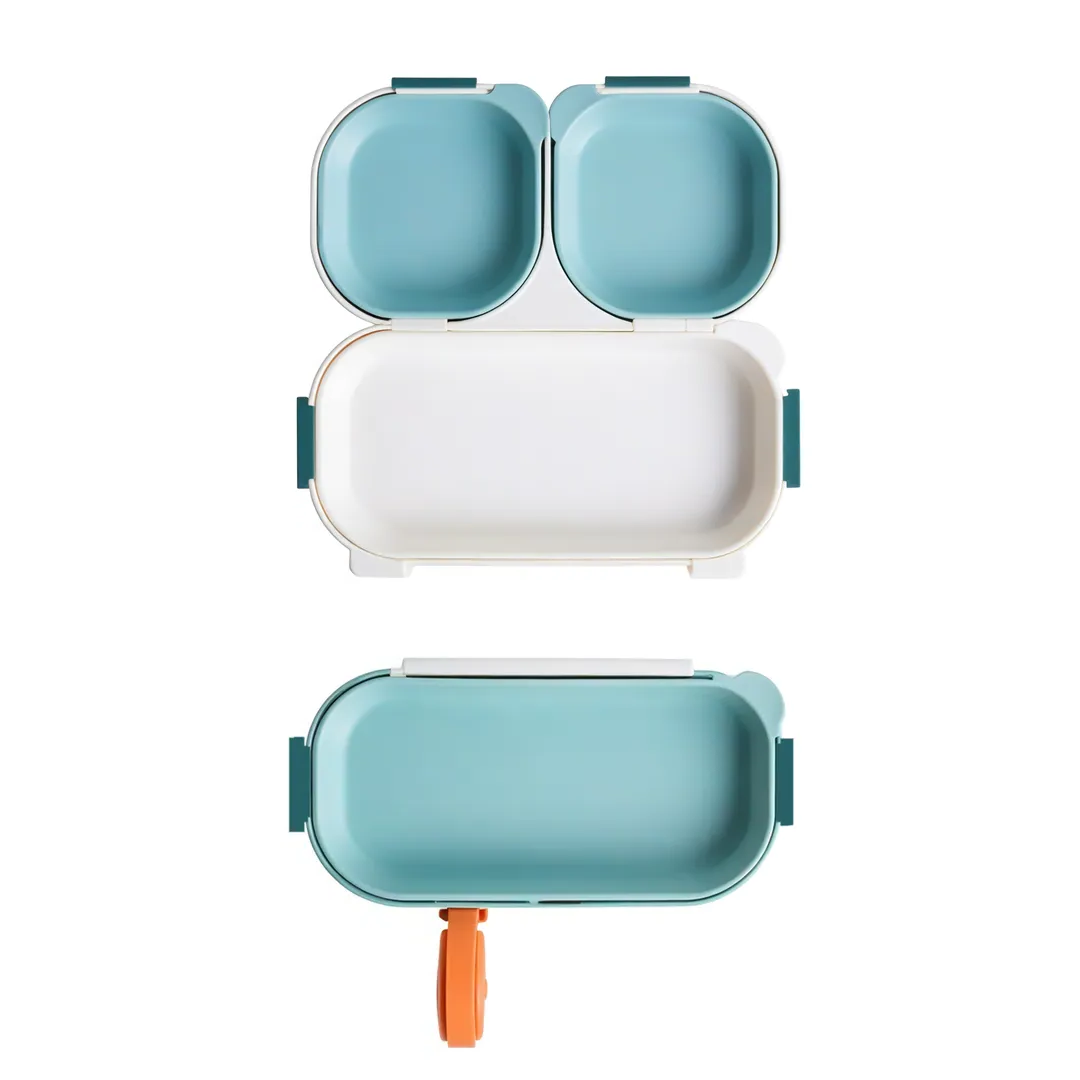
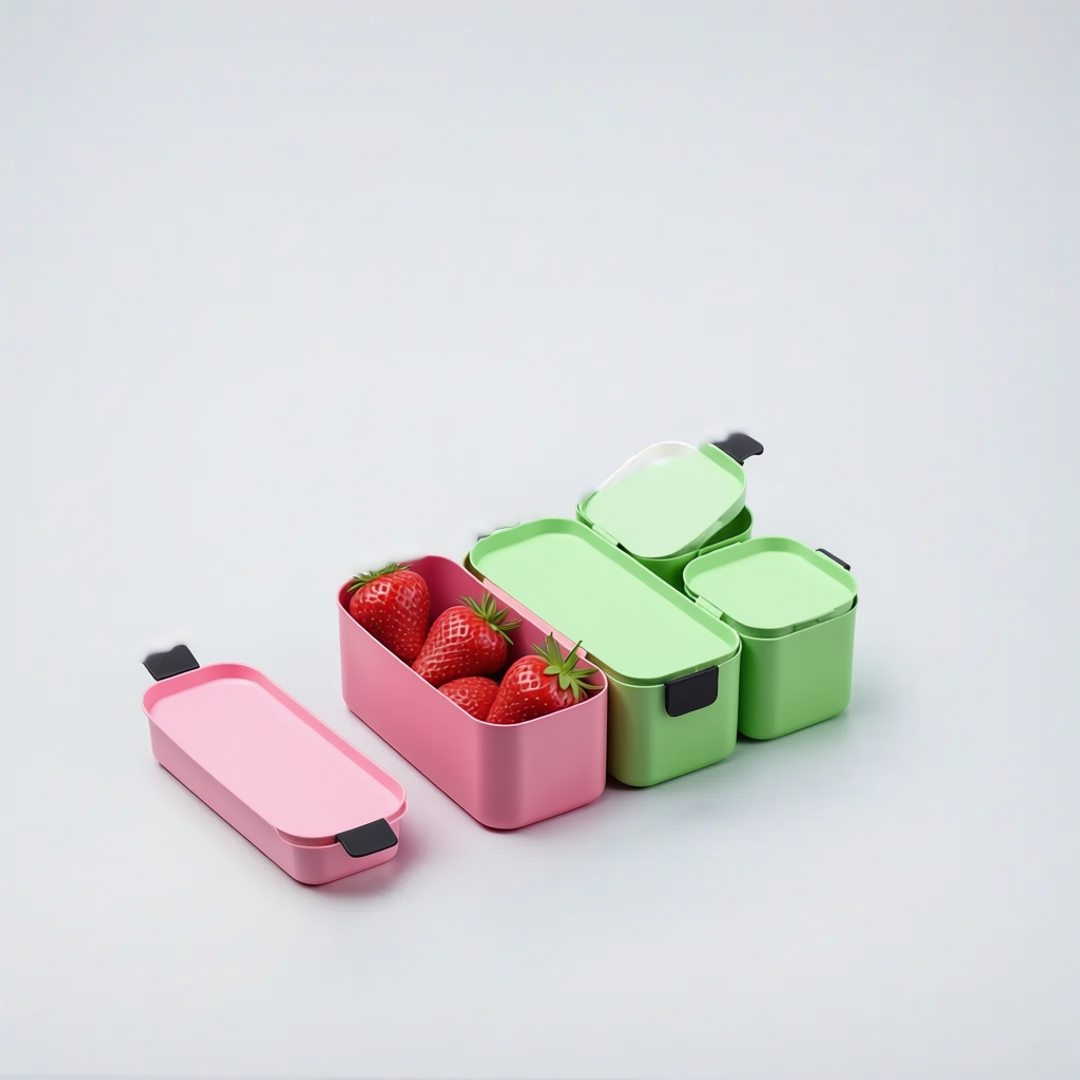
Moda
Modular detachable system
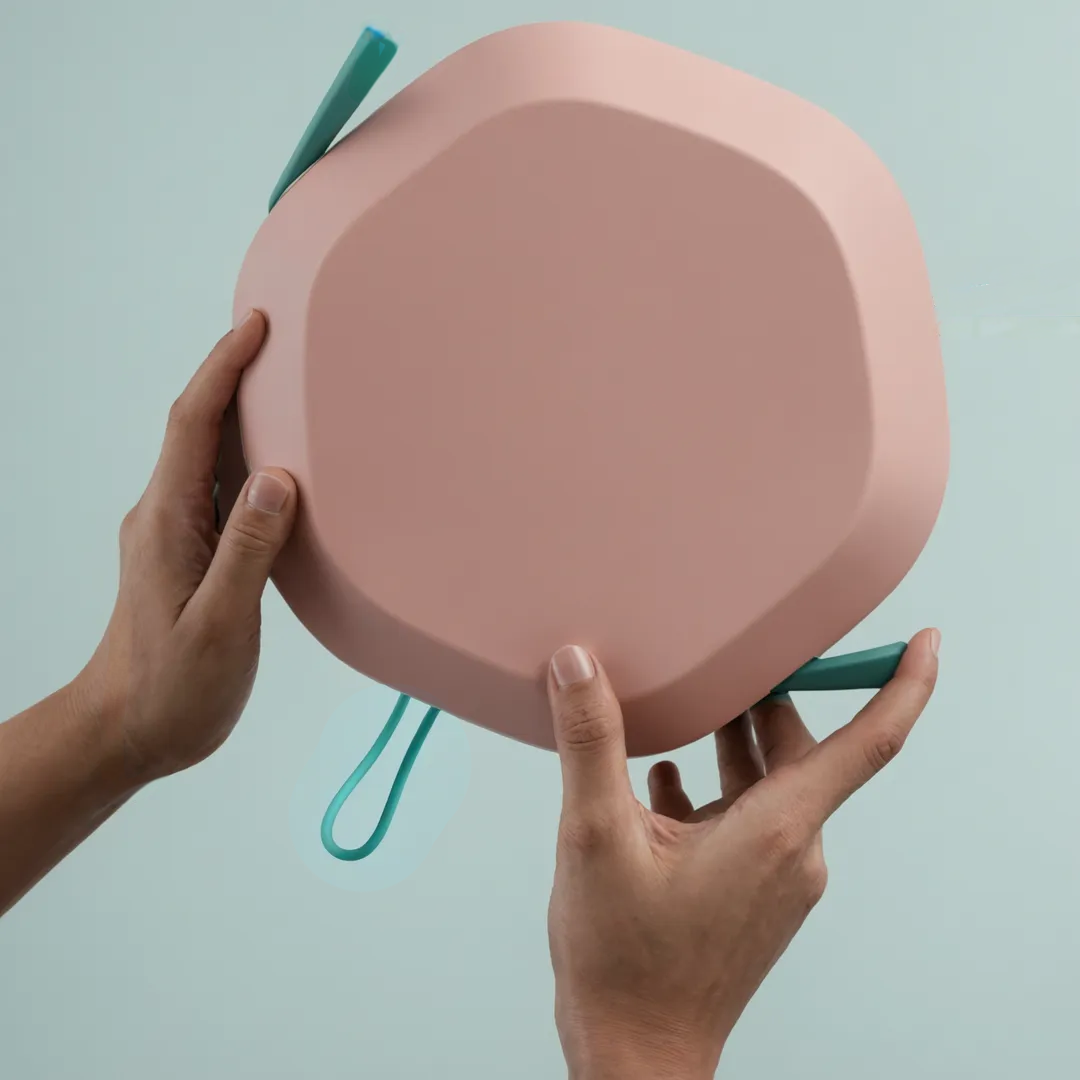
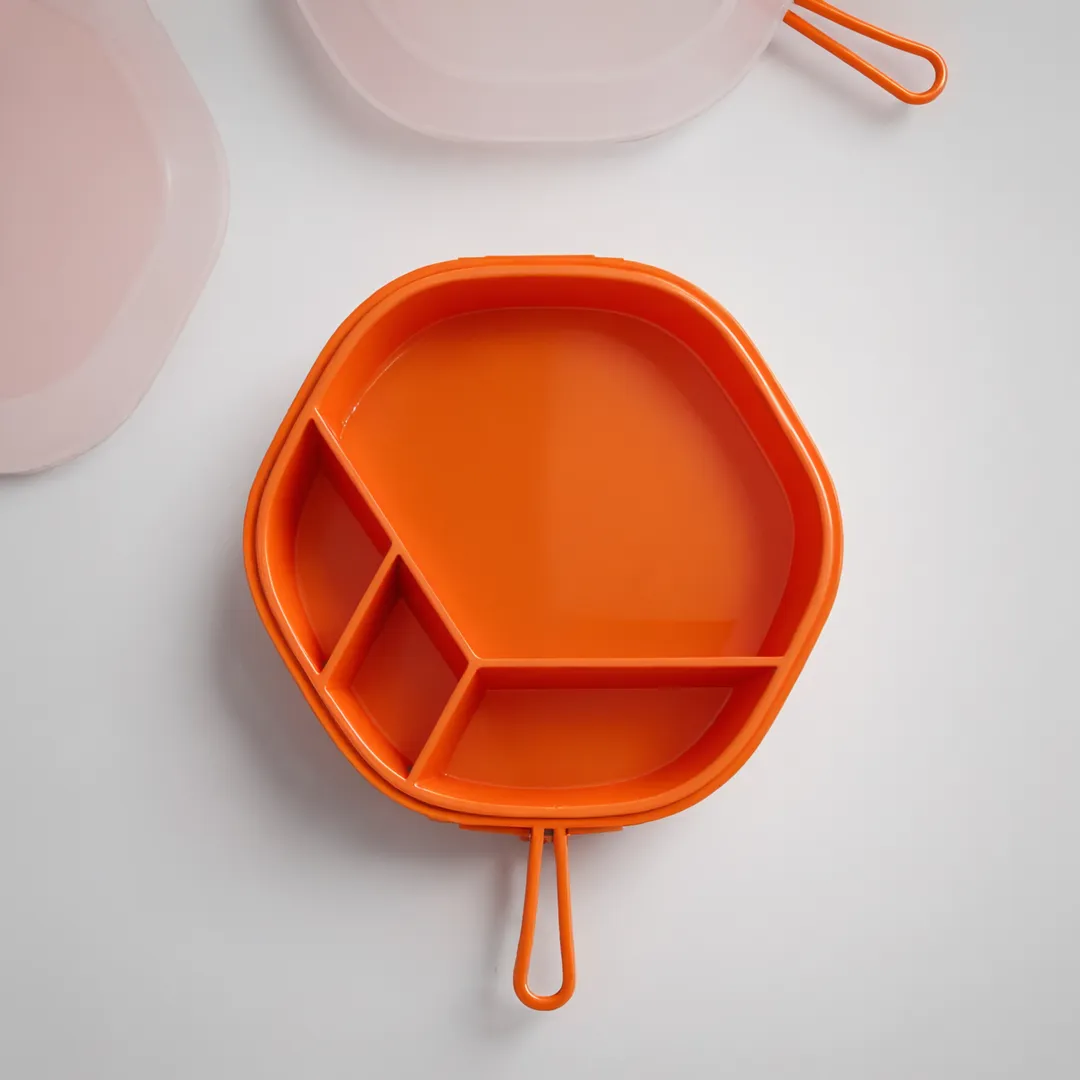
HexaBox
Hexagonal modular with Easy-Lift clips
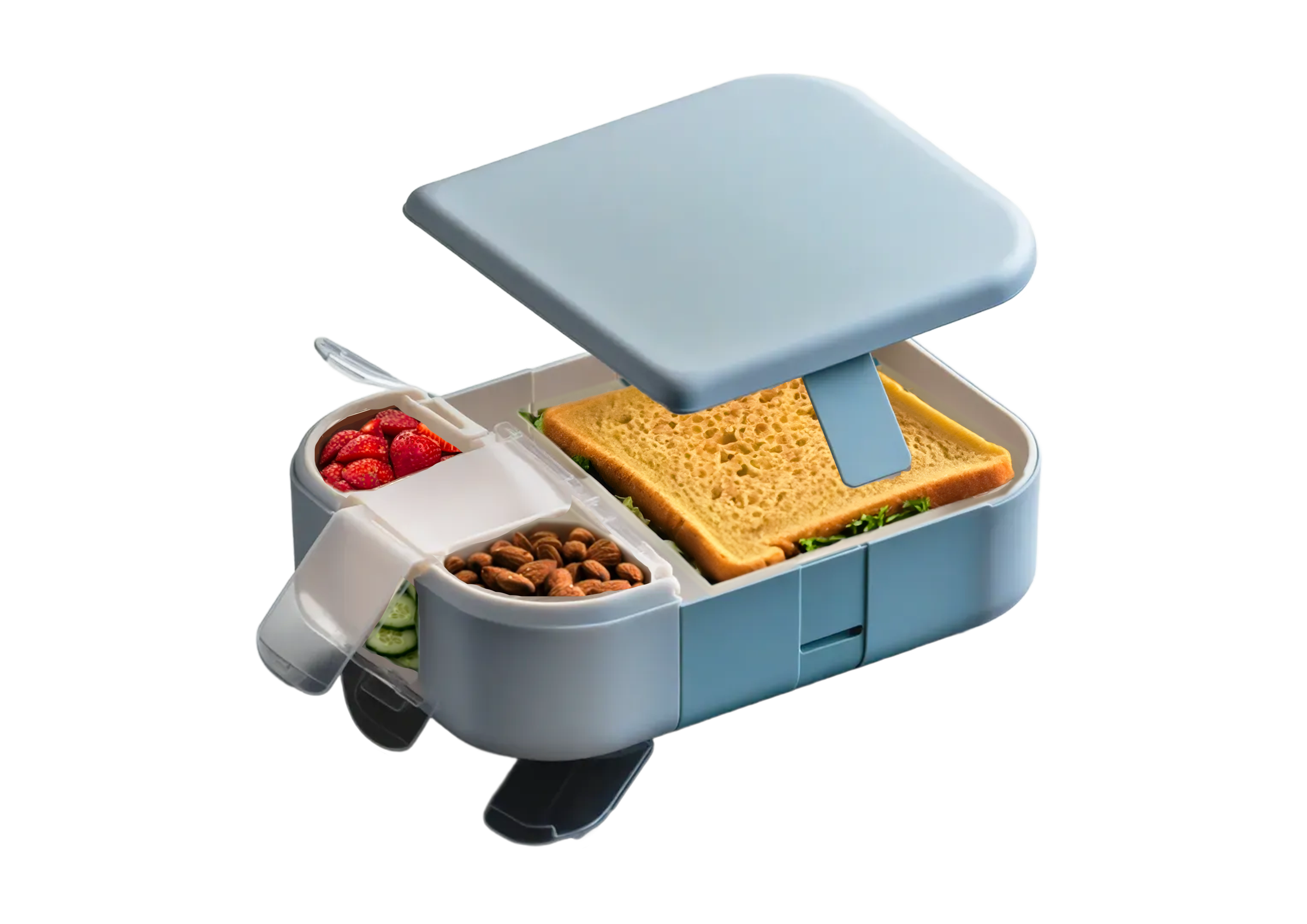
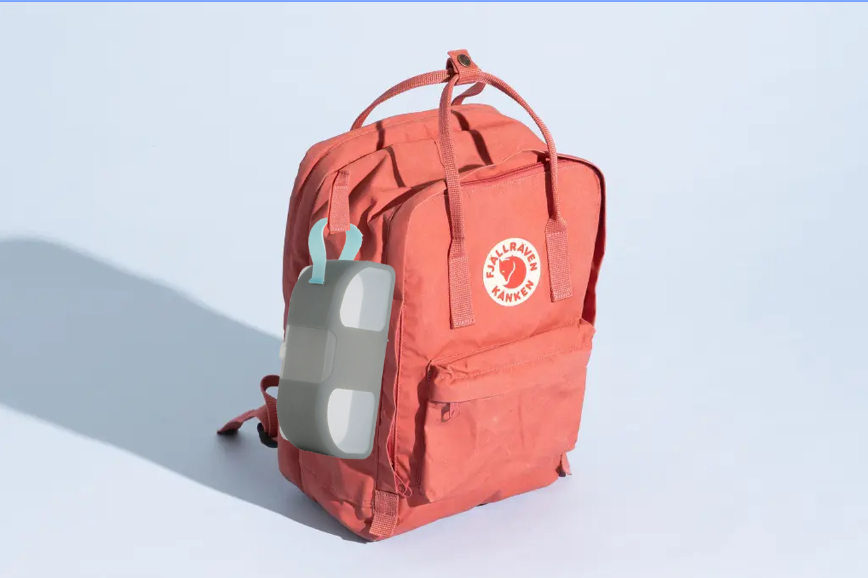
Munch-Mate
Aesthetic-led, detachable snack container
Concept Directions
Two hero concepts
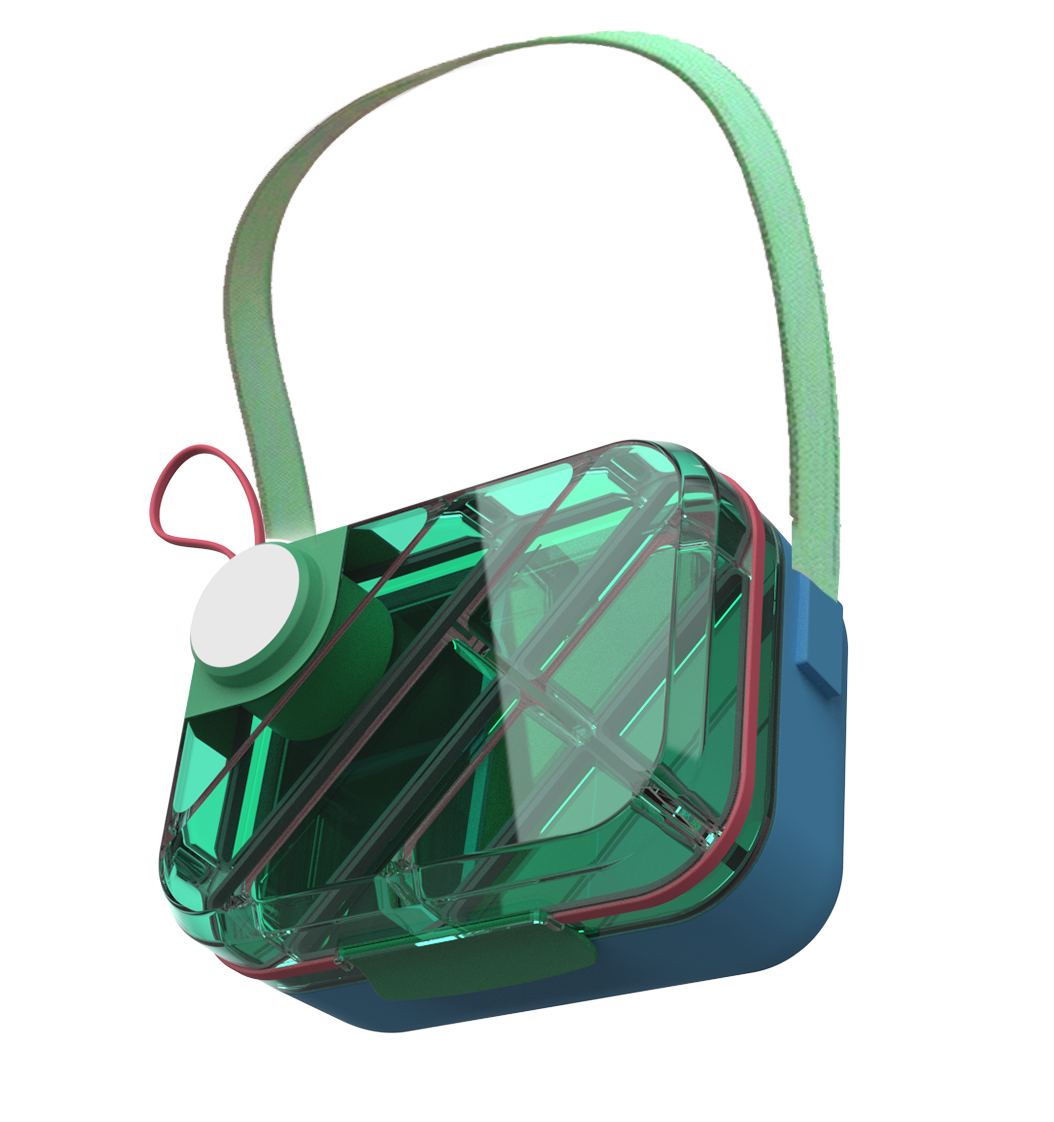
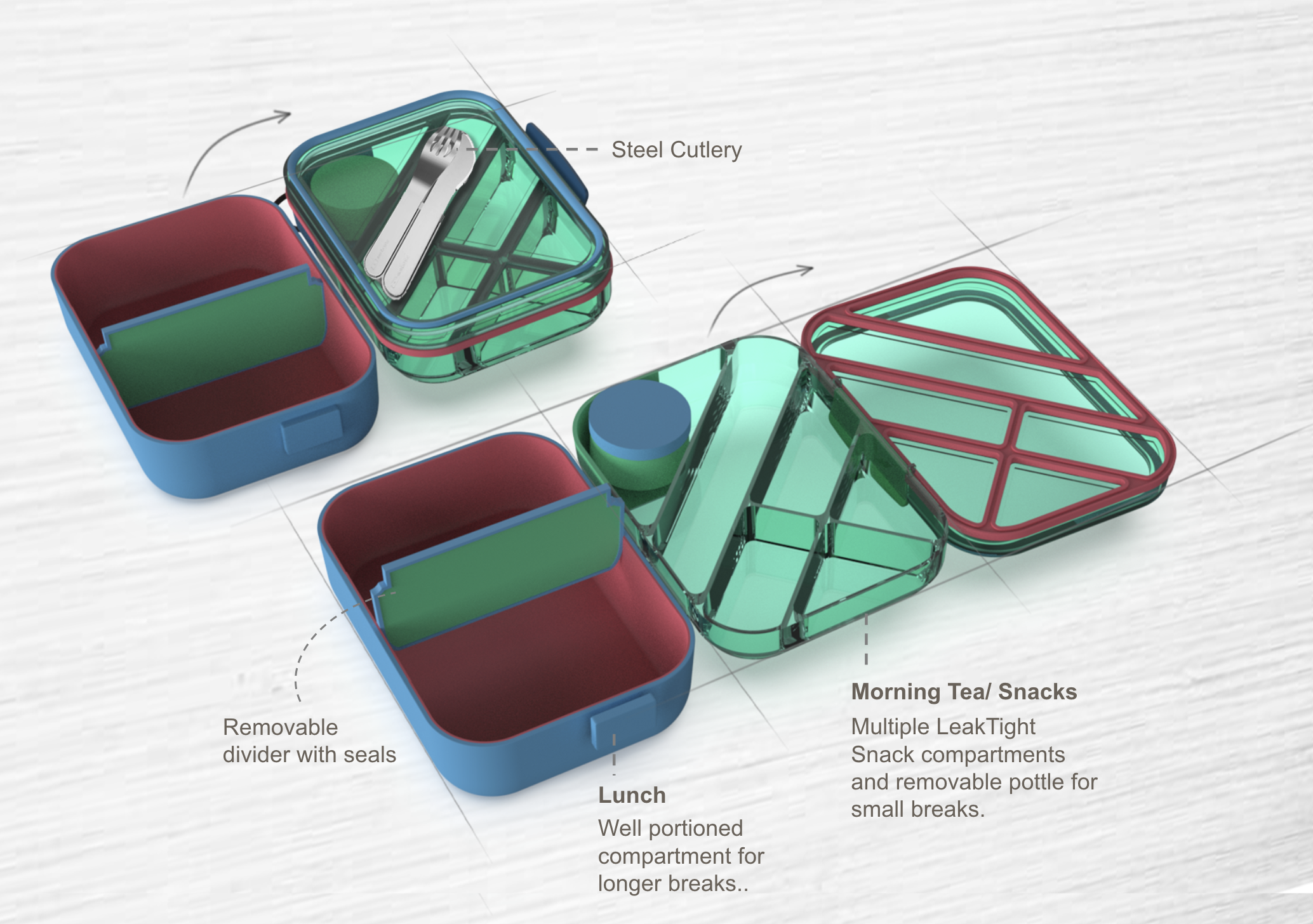
Playtr
All Day Treats. Snack, Play, Repeat.
Modular Multi-Compartment — Stackable for breakfast, lunch, snacks, and treats.
All Day Lunchbox — Compartments portioned for small break and long breaks.
Personalisation — Name plate to make it your own.
Easy to carry — Handle loop and longer shoulder strap make it easy to carry.
Big clip for small hands — Extra large clip makes it easy to open.
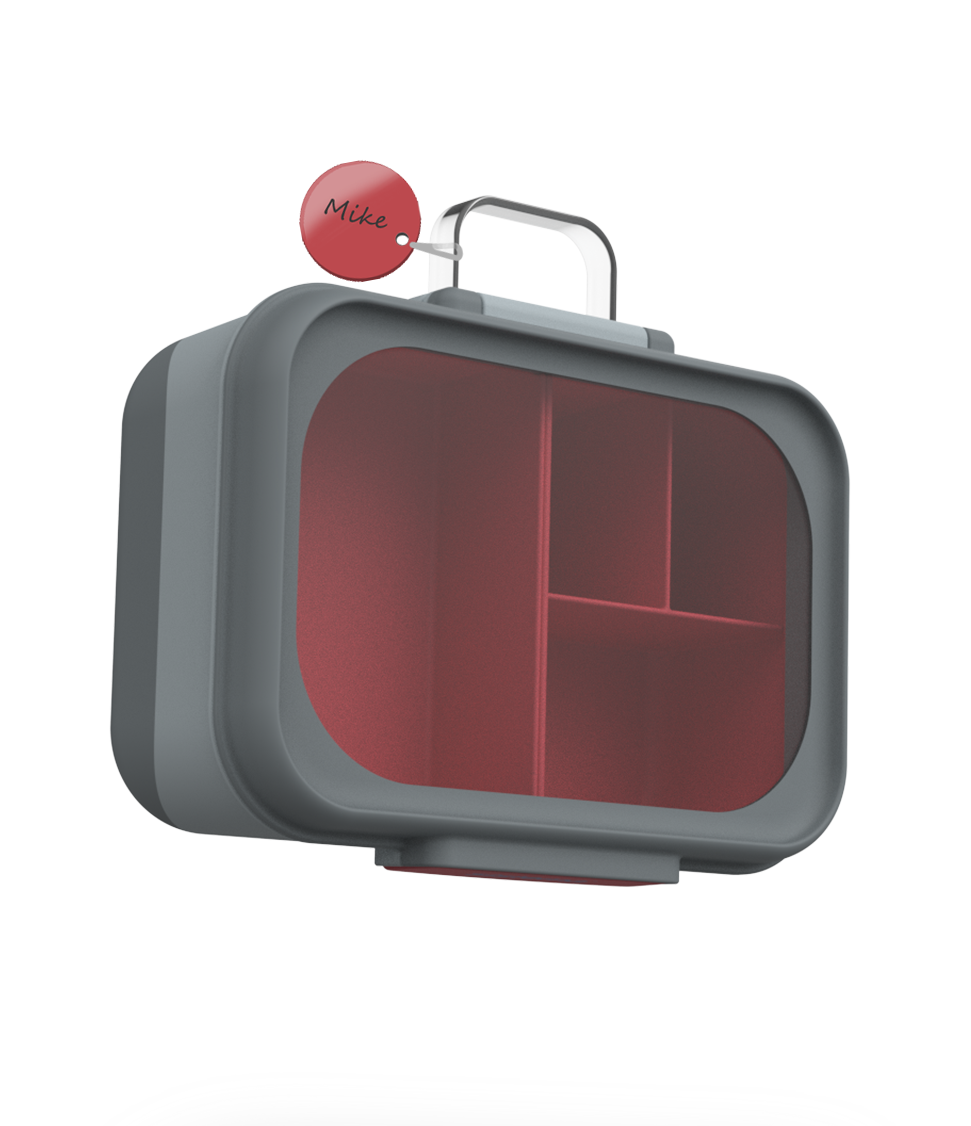
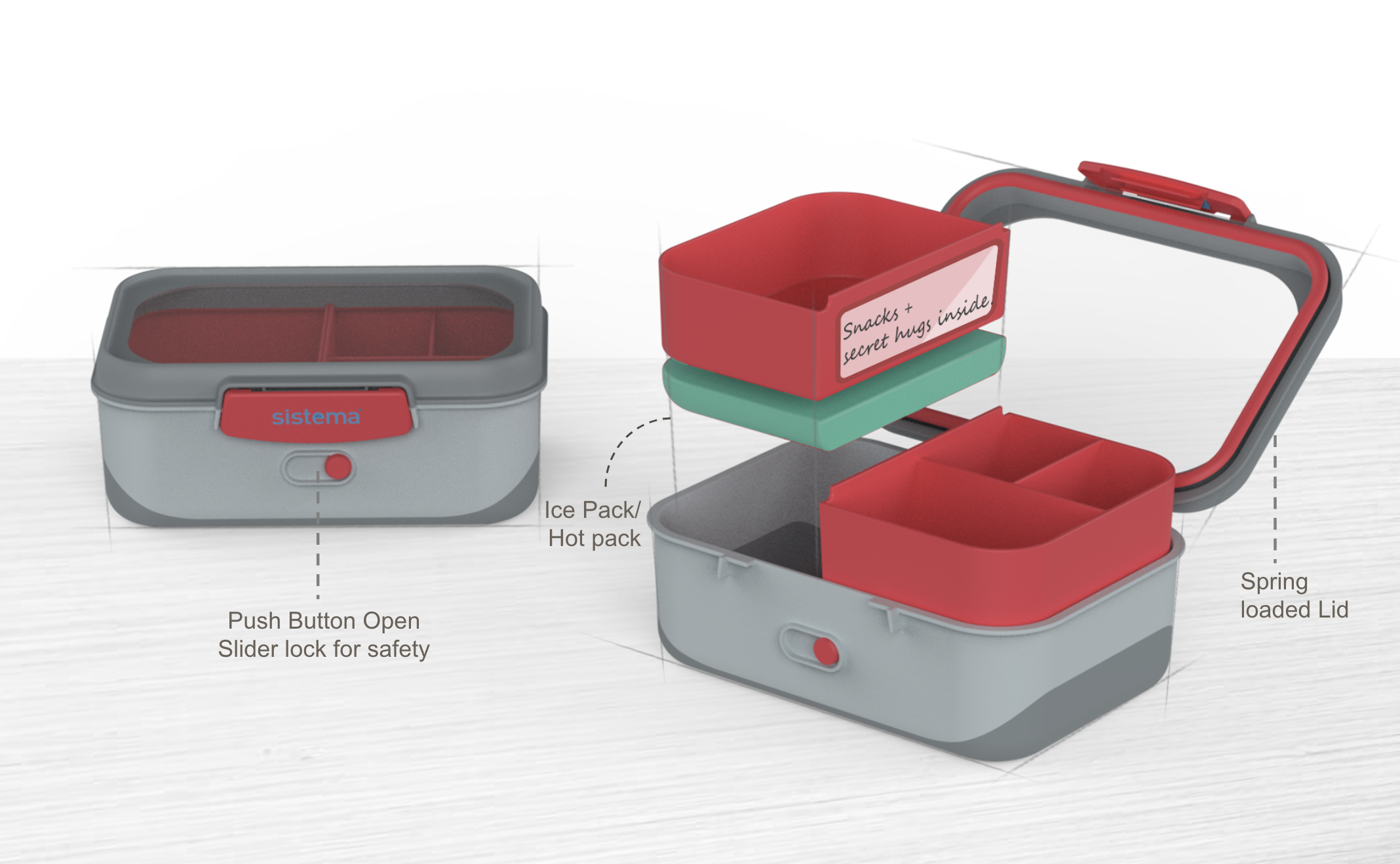
Tuffin
Mess-Free Meals. Kid-Proof Design.
One-Touch Push-Button Open — Spring-loaded lid kids can open independently.
Slider Safety Lock — Prevents accidental opening in bags or on impact.
Shock-Resistant Build — Rubberized corners for kid-proof durability.
Removable Compartment Trays — Flexible configuration with removable ice pack.
Core Design Achievement
The easy-open mechanism — solving kids' #1 lunchbox frustration
Bentgo's most cited usability complaint — in hundreds of consumer reviews — is that kids can't open it independently. Tuffin's push-button spring-open lid directly solves this. A single push of the clip release triggers a TPE spring cone to pop the lid open, eliminating the grip strength and coordination required by conventional clip closures.
A 2-step mechanism — clip release → spring open — that a 4-year-old can operate independently. The slider lock closes the loop: prevents accidental opening in a bag or on drop, without adding complexity for the child.
The TPE compartment seal is integrated into the same moulded component, keeping the part count low and the leakproof performance high. This is the mechanism that turns Tuffin from a concept into a defensible product. Playtr was deprioritised for immediate patent development — its modular carry system is a strong design direction but doesn't present the same IP defensibility as Tuffin's mechanism.
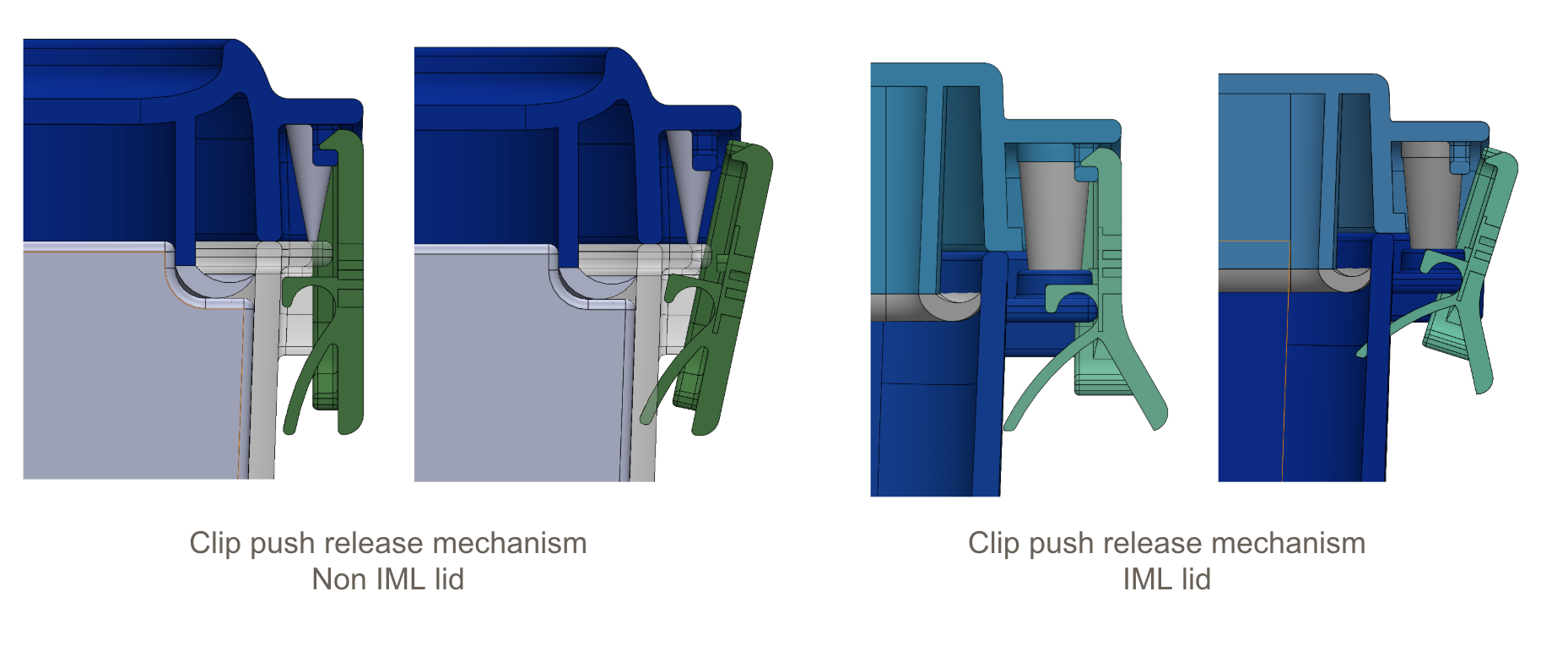
Push button mechanism — Step 1: Clip push release
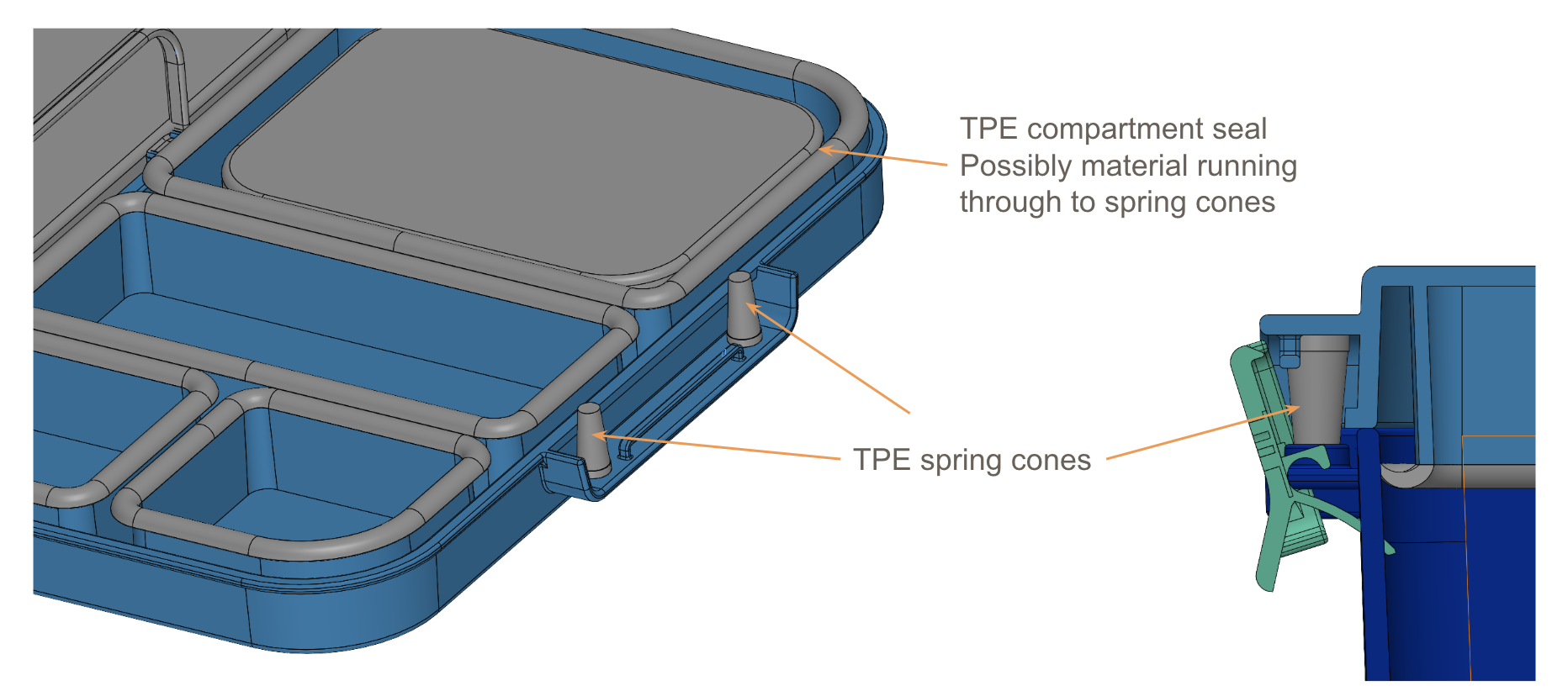
Push button mechanism — Step 2: TPE spring-loaded lid open
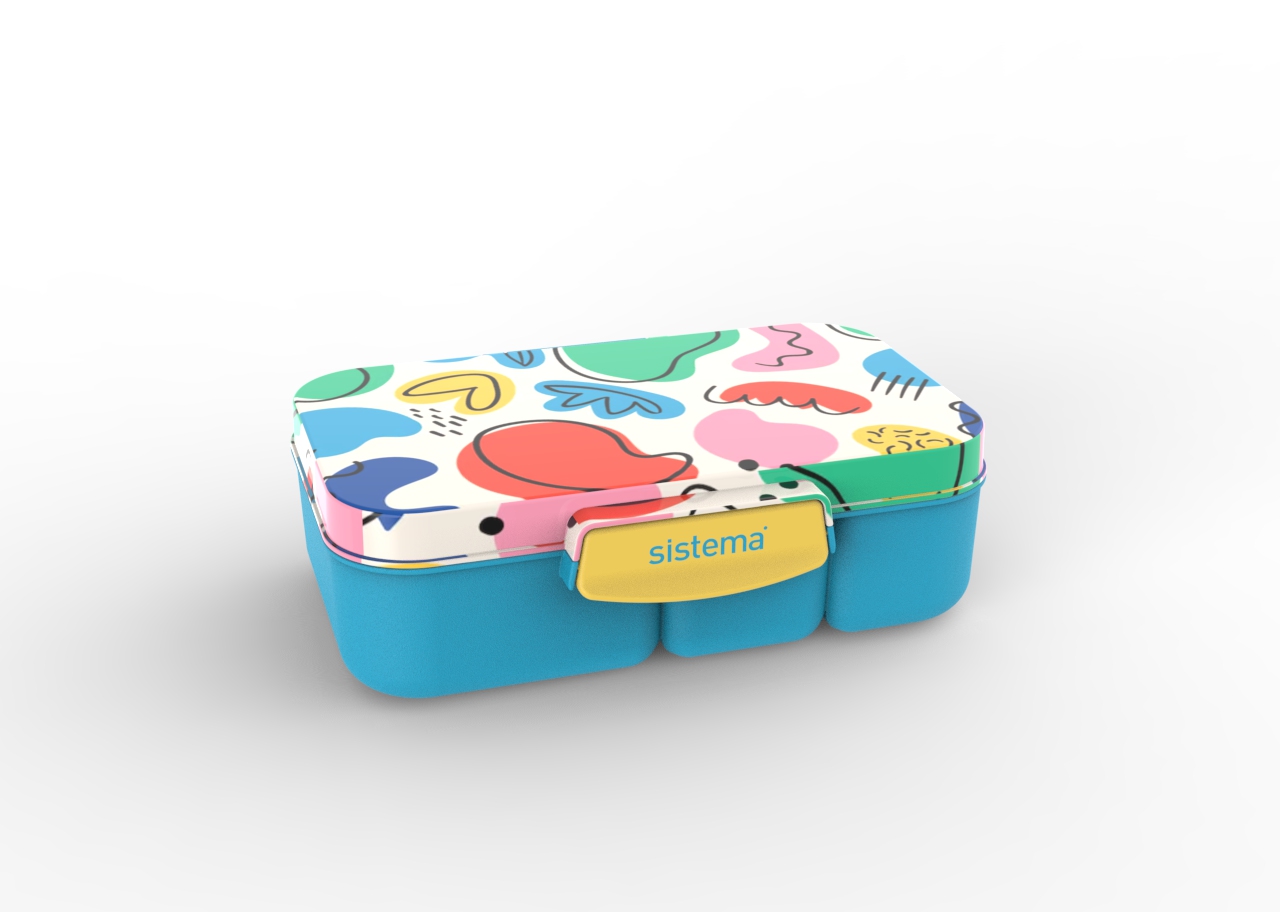
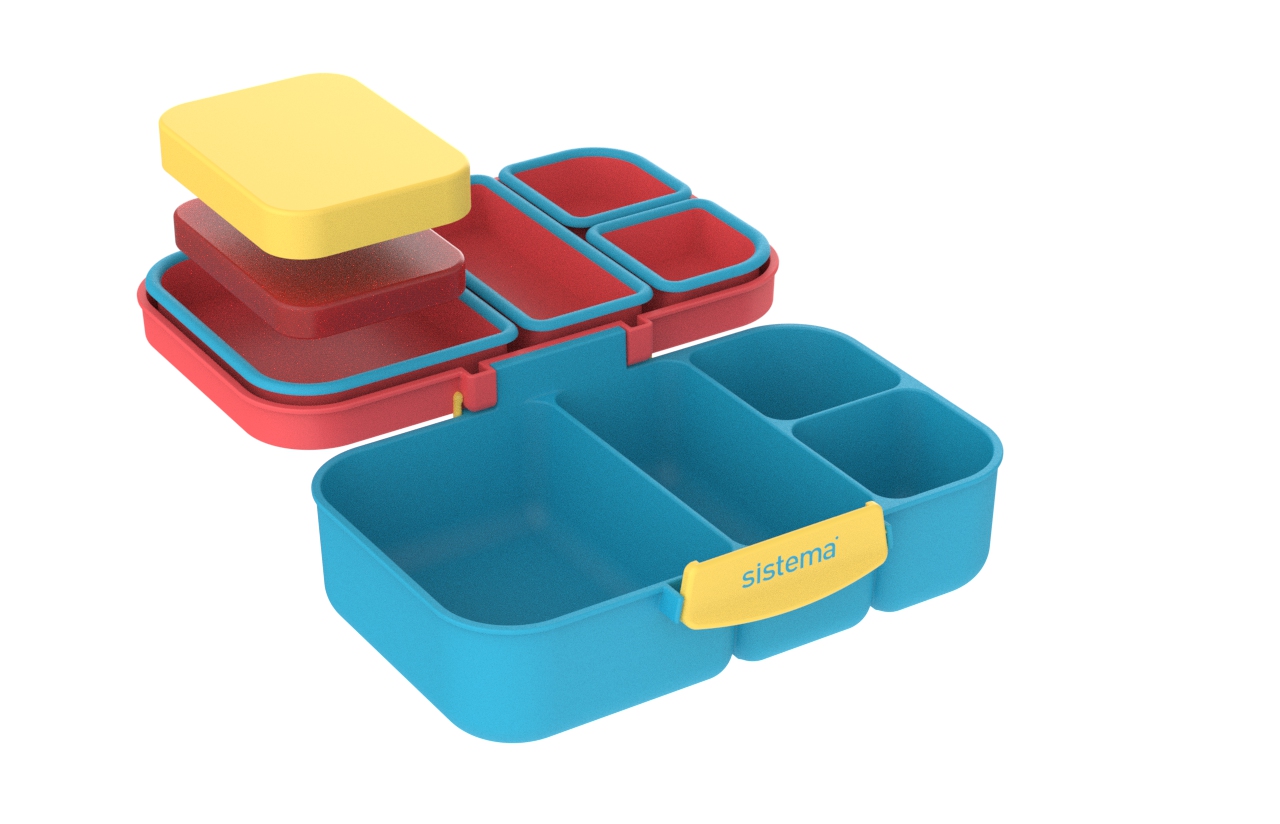
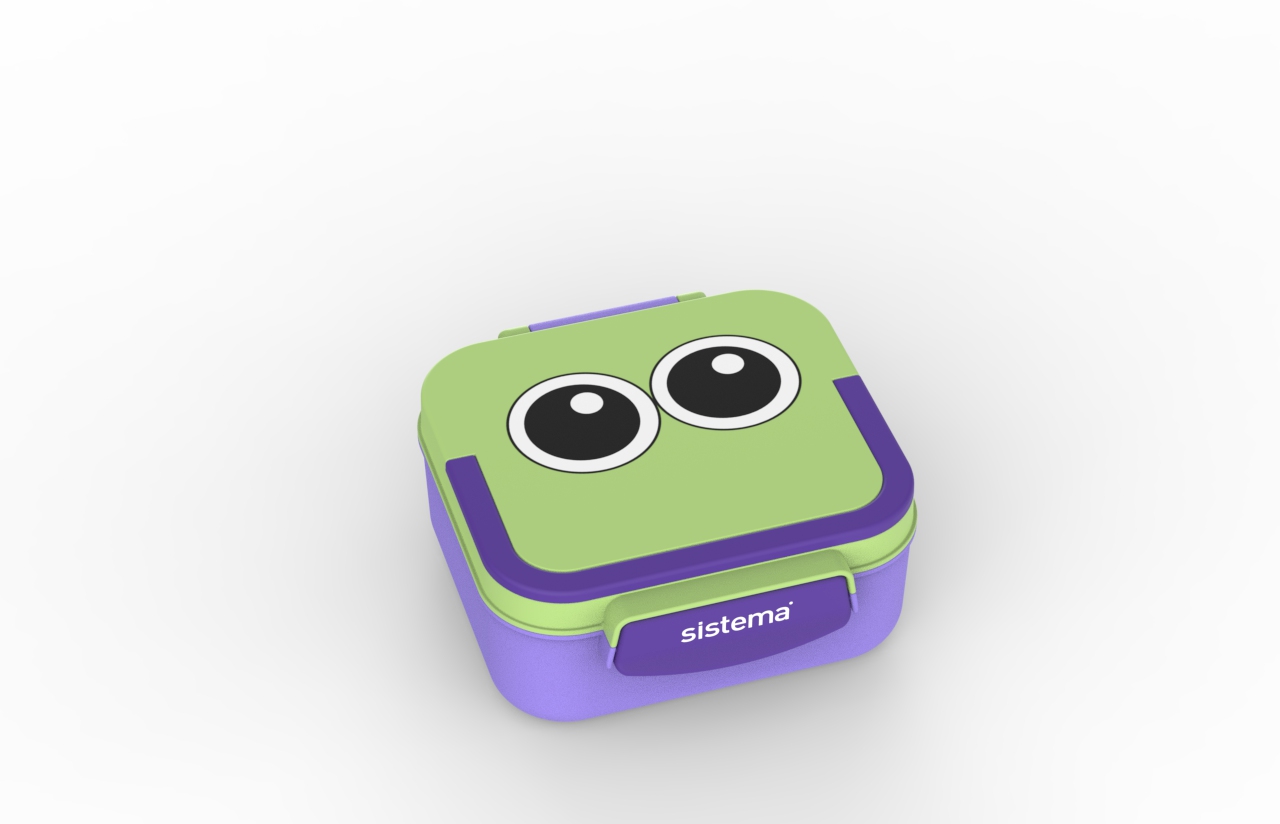
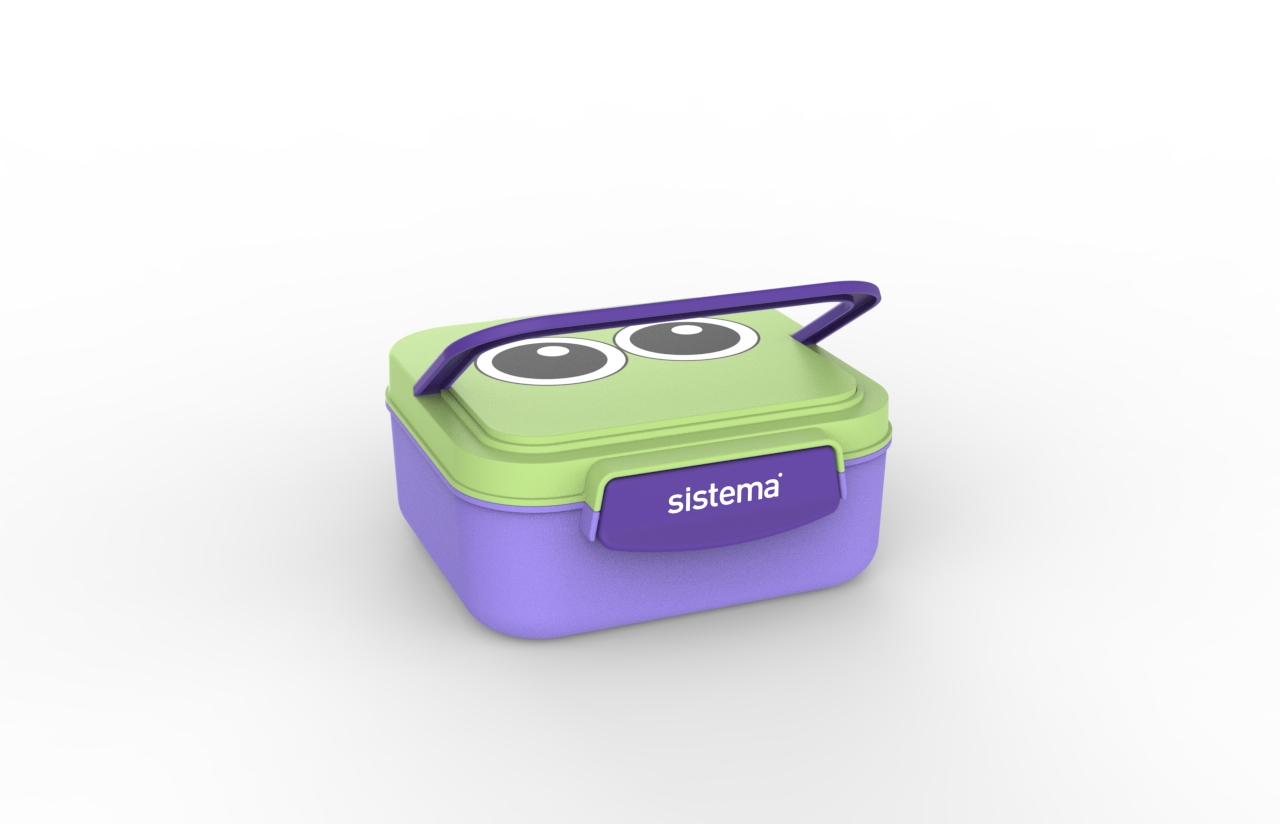
CAD concepts with feature ideation in thermal prints and In Mold Labeling for Kids
Project 03 — Platform Innovation
Steel Hydration — Rotatable Nozzle IP
Steel hydration is a high-growth segment across ANZ and EMEA — driven by consumers moving away from plastic on health and sustainability grounds. Consumer research flagged usability as the primary switching barrier: existing steel bottles were leaky, awkward to drink from, or too complex. The opportunity was to enter with a platform that solved what competitors hadn't.
A stainless steel hydration platform targeting the 2027 range — addressing three persistent usability failures in the current product and developing a patentable mechanism as the platform's hero feature. Steel bottle manufacturing operates under fundamentally different production constraints to injection-moulded plastics — this project required building fluency in steel forming processes, participating in vendor assessment, and establishing early supplier communication to pressure-test design decisions against technical feasibility before the brief was finalised.
Competitor Analysis — Observational Insight
The insight that became the IP
Primary failure — Owala FreeSip
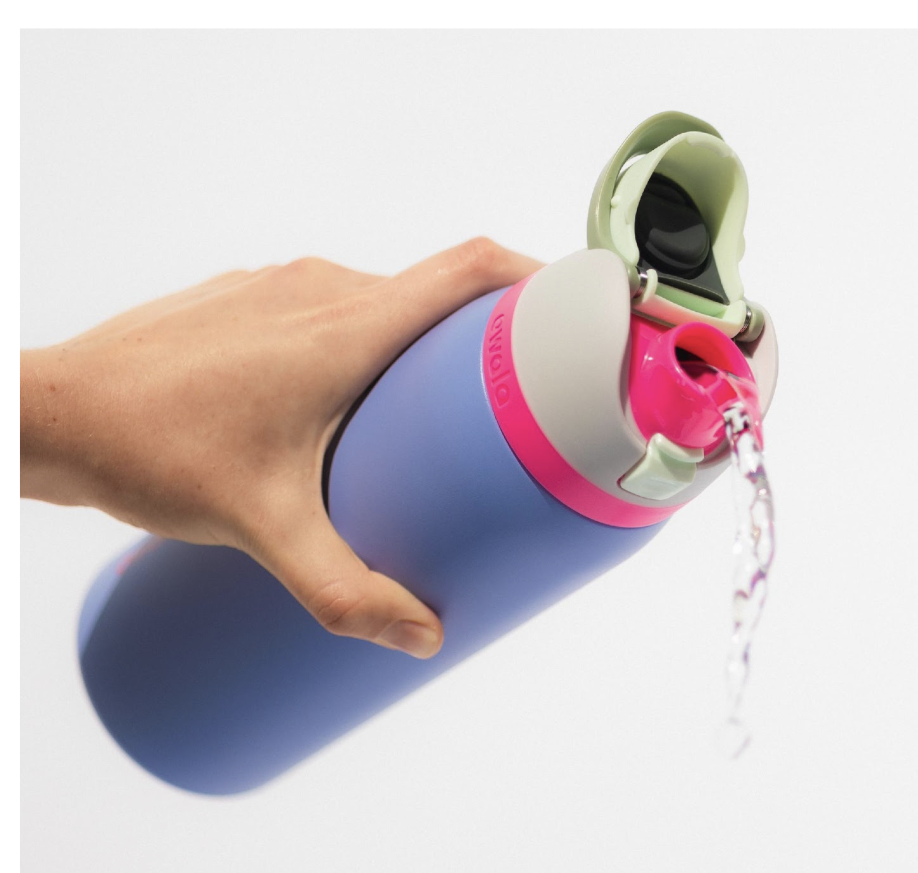
The chug spout faces backwards.
Owala's FreeSip is the category bestseller — but its rear-positioned chug spout forces the user to tilt steeply to drink, causing overpouring and a messy experience every time. This was identified through direct hands-on use of the product — an operational insight from first-hand observation, not secondary research.
First-hand observation of this failure in use was the direct trigger for the rotatable nozzle concept — a single mechanism that solves the core problem and becomes the platform's patentable, marketable differentiator.
Additional Issues Observed
No handle access when locked
When the lid is secured, the handle folds away, making it difficult to carry the bottle conveniently.
Handle size & ergonomics
Undersized handle limits grip comfort and carrying ease, especially for larger hands or when on the move.
Design Brief
Three problems. One platform brief.
Problem 01
Chug spout placement
Rear-positioned spout forces steep tilting — causing overpouring and a messy drinking experience.
Problem 02
Handle ergonomics & human factors
Undersized handle fails basic ergonomic requirements — limits grip comfort, carrying ease, and one-handed use across the range of target hand sizes.
Problem 03
Handle access when locked
When the lid is secured, the handle folds away — making the bottle difficult to carry conveniently.
IP Concept
Rotatable nozzle — sip and chug in one
The patentable mechanism concept is a rotatable nozzle system that allows the user to switch between sip mode and chug mode by rotating the nozzle to align the desired outlet with the front-facing drinking position. This solves the spout placement problem entirely — the nozzle always faces forward regardless of which mode is selected — while adding a meaningful, differentiating feature to the platform.
An IP search was conducted to assess freedom to operate. The concept was developed across a 4-SKU range: kids bottle, coffee cup, Hero Drink Bottle, and large drink bottle — with an overmoulded rubberised handle addressing the ergonomics failures identified in the current product.
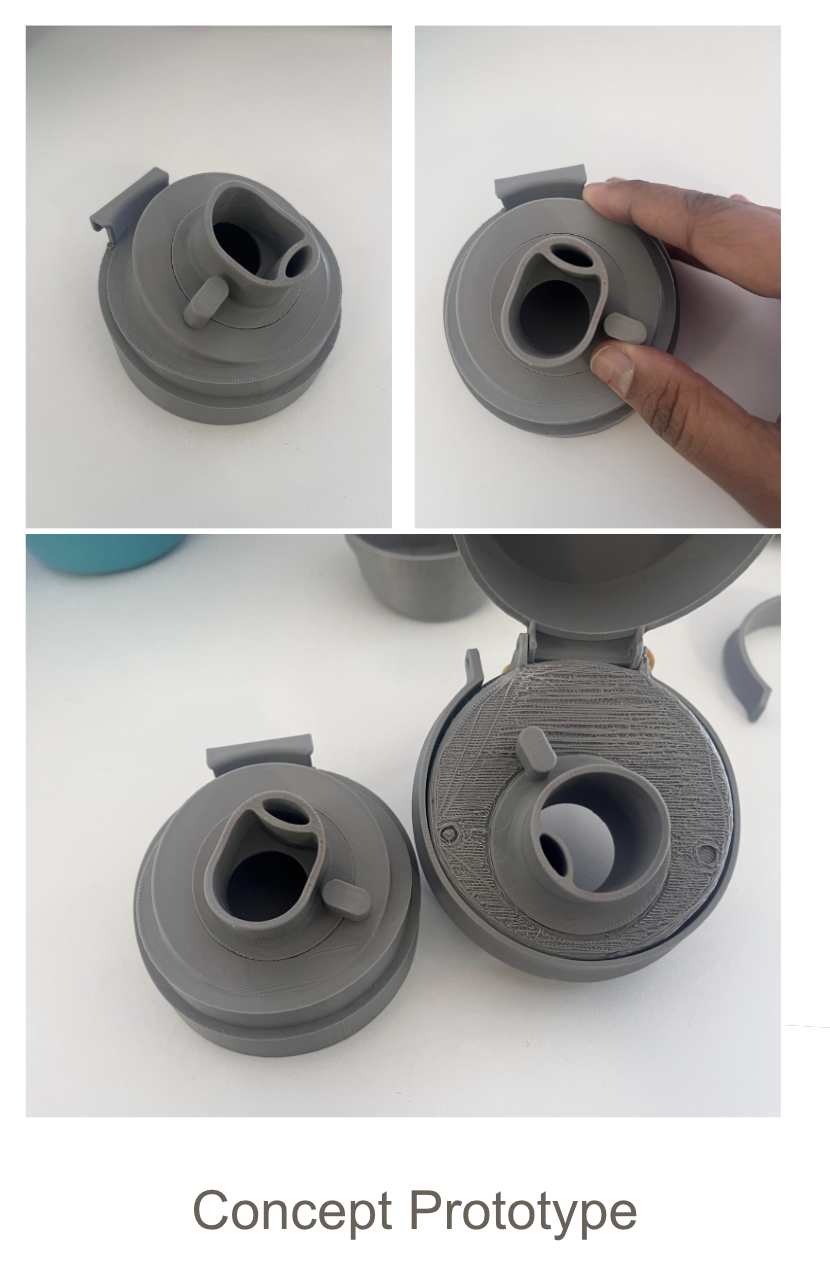
Rotatable nozzle IP concept
Concept prototype — 3D printed nozzle mechanism
Colourway explorations — 2027 range
Full Hydration Range
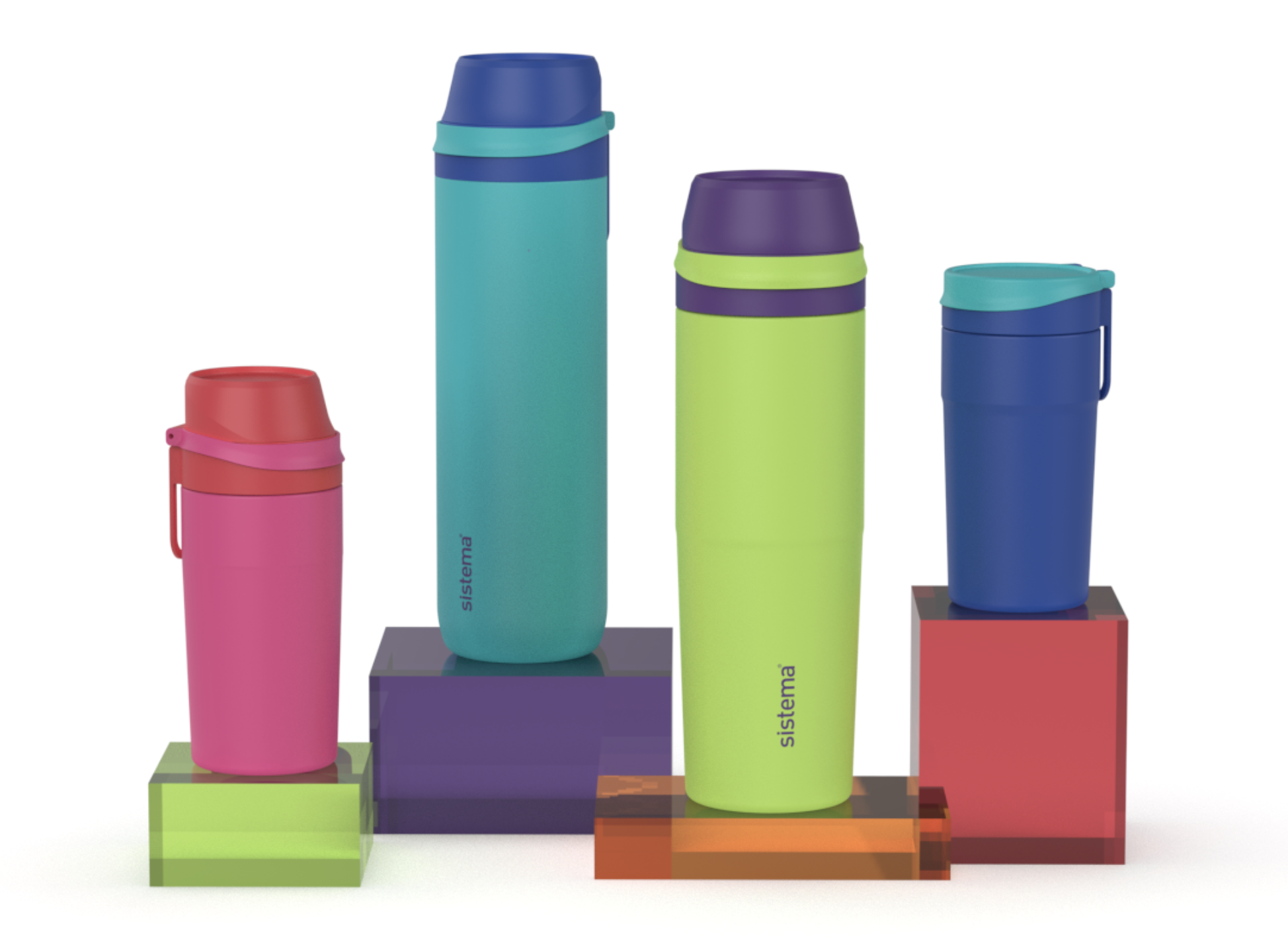
4-SKU Range
-
Kids Bottle
475ml · 16 oz
-
Coffee Cup
355ml · 12 oz
-
Hero Drink Bottle
710ml · 24 oz
-
Large Drink Bottle
1.2L · 40 oz
The rotatable nozzle advances to detailed development as the project's patentable hero feature — with an IP search confirming freedom to operate and a 4-SKU range brief ready for the Definition Stage.
A fixed dual-spout alternative was explored and deprioritised — it addressed the placement problem but added part count without the rotatable mechanism's marketable differentiation.
Programme Management
How I Led This
These projects ran from 3–6 months each — sequenced to share research phases where possible, with stage-gate milestones coordinated across pipelines via Microsoft Projects and reported to PMO quarterly.
Key Decisions Owned
-
Defined and standardised the FEI research framework applied consistently across all three category projects
-
Recommended Ceramics roadmap strategy for phased entry starting at lower-risk ceramic-coated formats
-
Prioritised Tuffin's push-button spring mechanism for detailed development after validating it against Bentgo's core failure modes
-
Developed the rotatable nozzle as the IP concept for Steel Hydration and led the freedom-to-operate search to confirm patentability
-
Facilitated innovation workshops and cross-functional ideation sessions to build a culture of structured creativity across the product team
-
Managed programme reporting to PMO via Microsoft Projects — coordinating resource allocation and stage-gate milestones across concurrent pipelines
Stakeholders Managed
-
Leadership Team — presented strategic direction and concept readiness at each stage-gate checkpoint; reported programme status via Microsoft Projects
-
Brand & Category Managers — co-defined briefs and aligned on roadmap recommendations and portfolio strategy across 3 categories
-
IP / Legal — collaborated on freedom-to-operate search for the rotatable nozzle concept
-
R&D, Engineering & Manufacturing — validated mechanism feasibility for Tuffin push-button and hydration nozzle; assessed production-readiness of concept directions
-
Marketing & CMF — integrated consumer persona and segmentation insights into briefs; aligned colourway and material strategy across categories
-
Sales & Procurement — provided category white-space input and supplier feasibility context that shaped concept prioritisation
Outcomes
What this pipeline delivered
Robust category roadmaps for 2026–2028 with projects selected across Newell businesses of Hydration and Food Storage, reflected in Brand Plans.
3
Category briefs delivered to Technical Assessment, Newell Stage Gate
12+
Concept directions developed across the pipeline — 4 advanced to development following presented concept cases
2
Patents under filing in this pipeline (Kids Bento + Steel Hydration)
$50M+
USD targeted revenue across 10+ product lines in scope
11%
Category growth forecasted through the above projects
* Forecast and Insights Team, Newell 2025
Related Work
See the full launch story
Heatables is the launched product from this same NPD pipeline — the most comprehensive and detailed project story, from consumer research and competitive analysis through to patent co-invention, DfM, and retail launch across ANZ, NA, and EMEA.